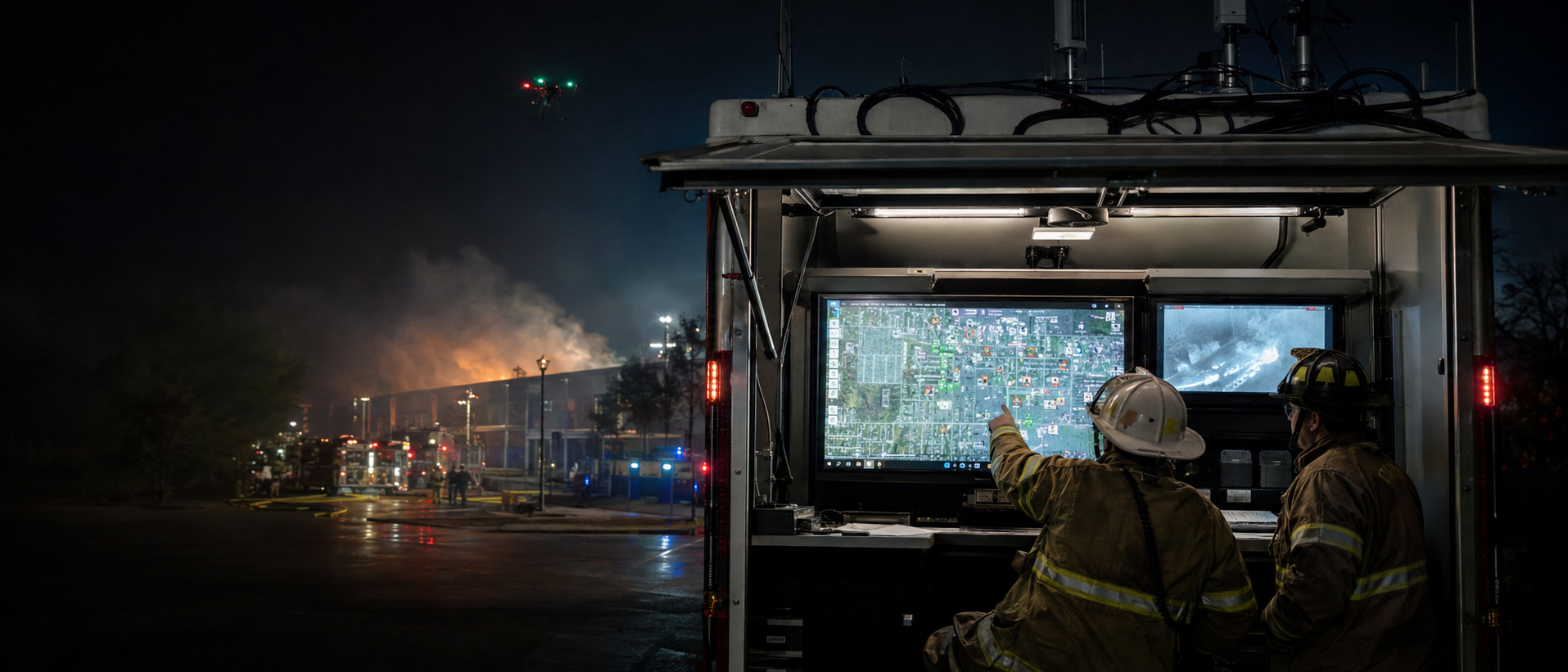
Firefighters in structural turnout gear working a commercial building fire at dusk while a command officer reviews building intelligence on a tablet and a small quadcopter provides overhead reconnaissance.

Learn. Evaluate. Implement.

Technology is changing the fire service.We'll help you understand what matters.

What problem are you trying to solve?

Technology is sold by category. Departments buy their way out of a specific operational problem. Describe yours and we will show the approaches that address it, and what to ask about each one before you spend anything.

Innovation Lab

What's next?

Explore the Innovation Lab

Maturity: Research / Emerging

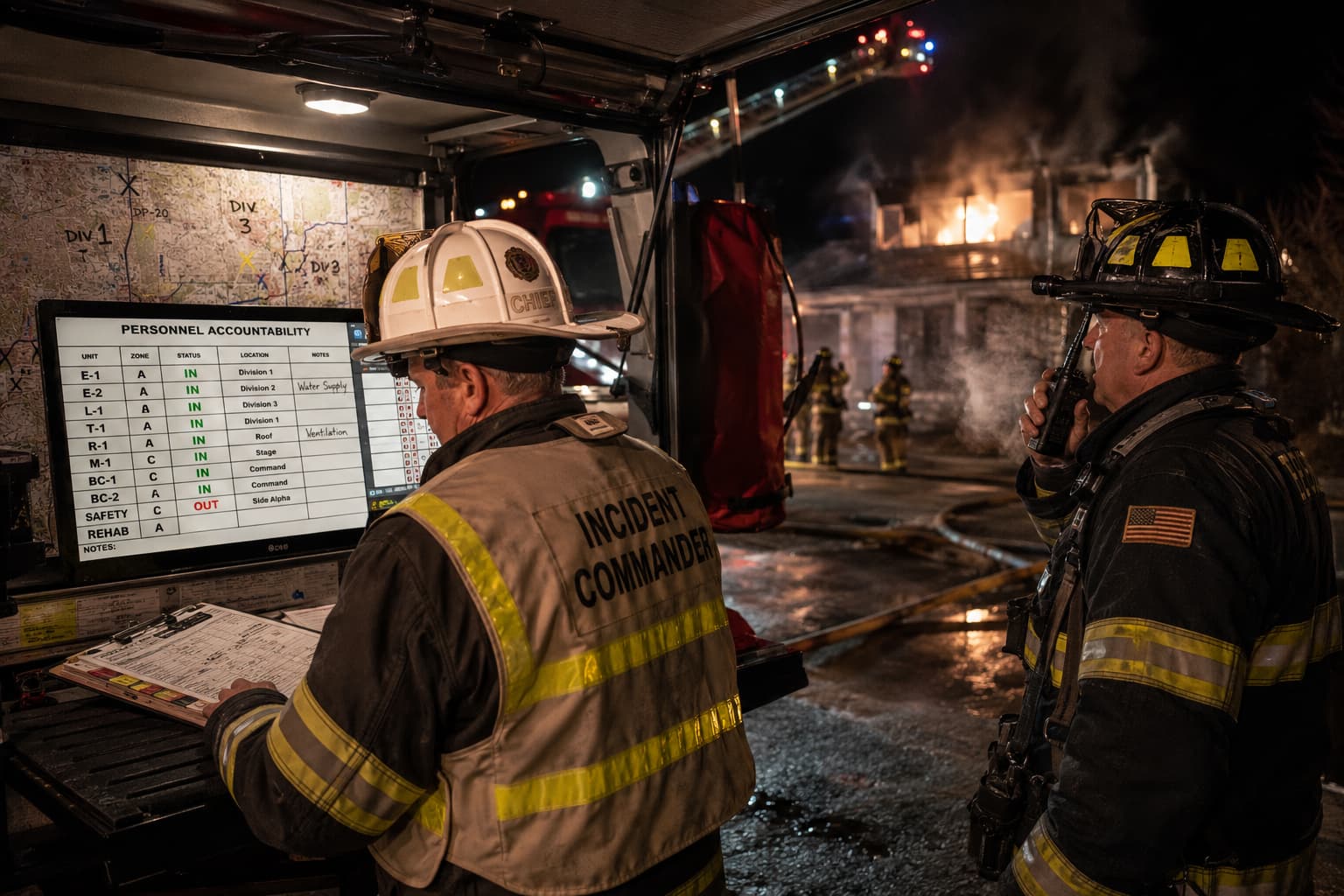
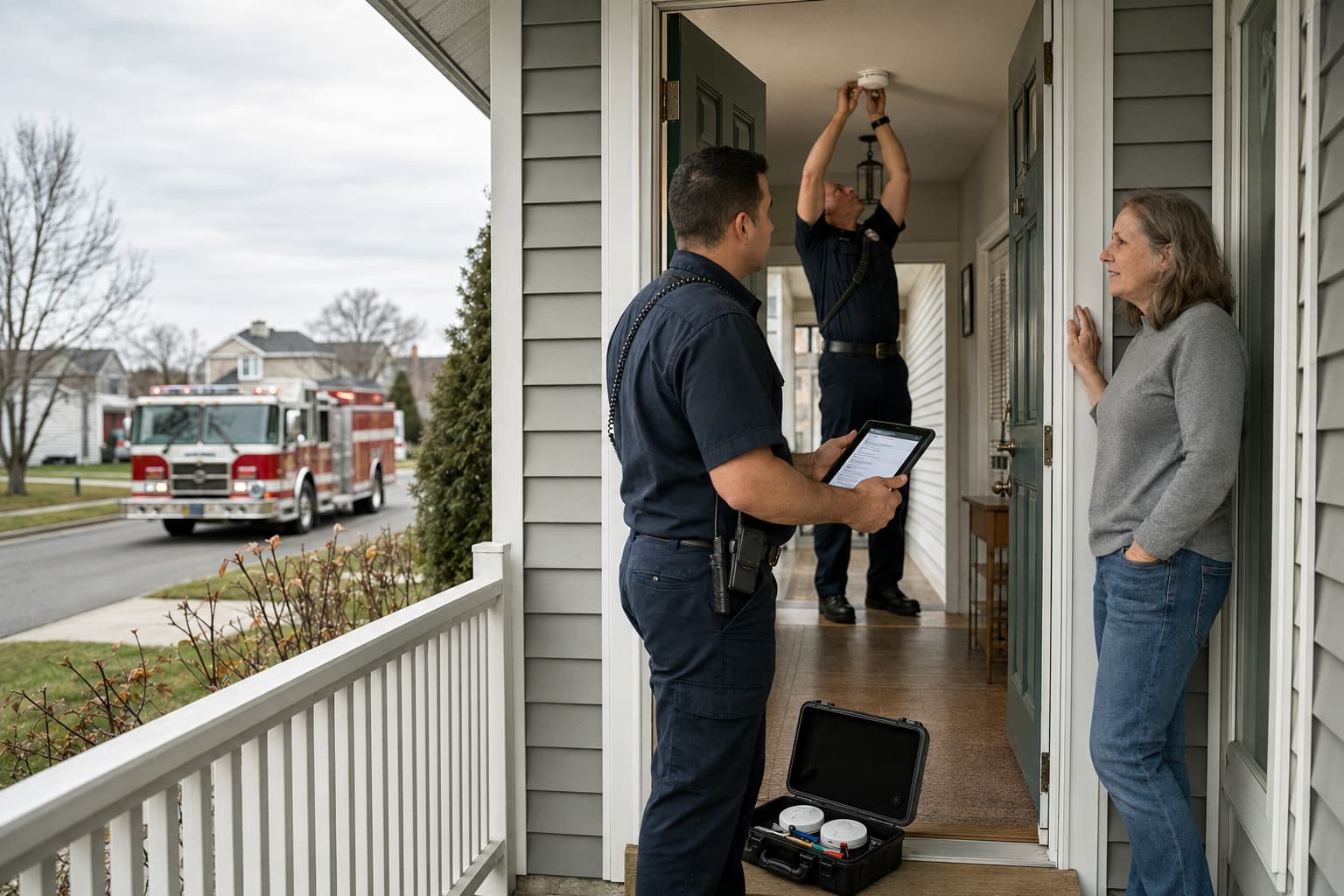
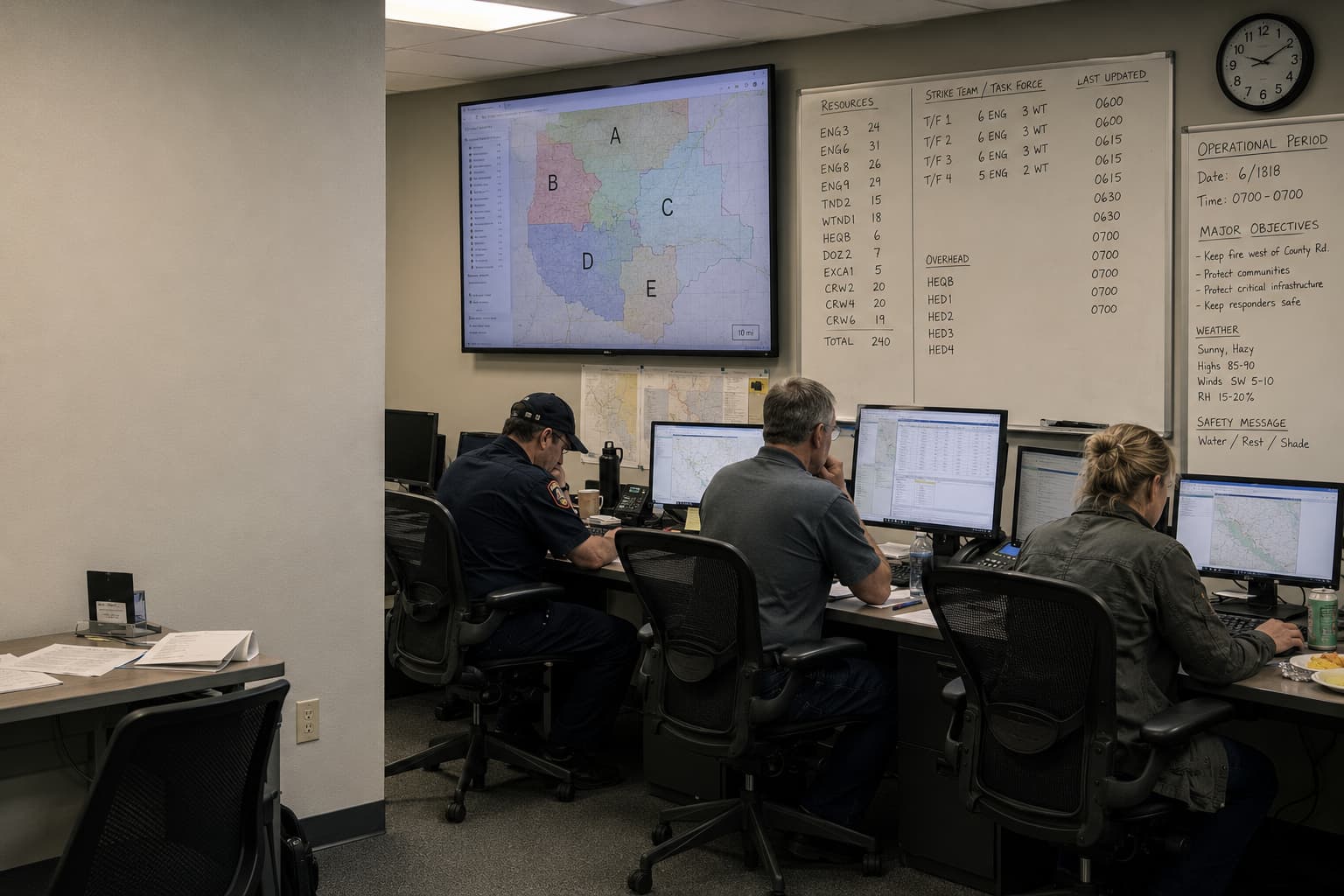
AI-assisted incident command decision support

Systems that analyze radio traffic, unit status, sensor information, location, benchmarks or other incident data and attempt to identify important changes that deserve the incident commander's attention.

Why it matters

The near-term opportunity is not an autonomous incident commander. It is a second set of eyes that may help a human recognize something important under high cognitive workload. The risk is false confidence, missed events, unnecessary alerts, and automation bias. Ask what exact decision the system is supporting, what information it monitors, how often it is wrong, and what its false positives and false negatives look like. Ask whether the IC can understand why an alert occurred, what happens when the data is incomplete, and who remains responsible for the decision.
University research groups, early startup and vendor work

Maturity: Research / Beta

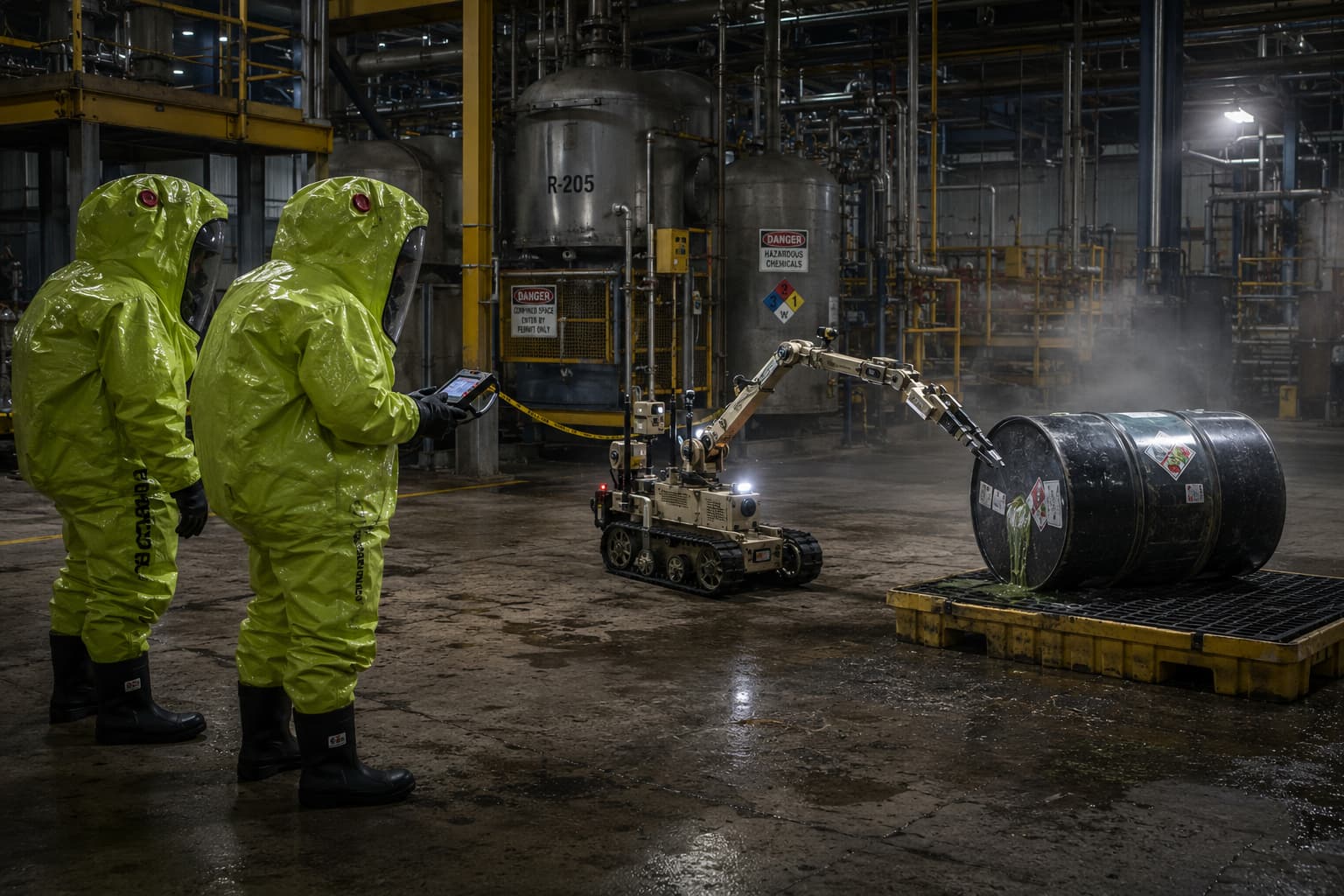
Autonomous and semi-autonomous response robotics

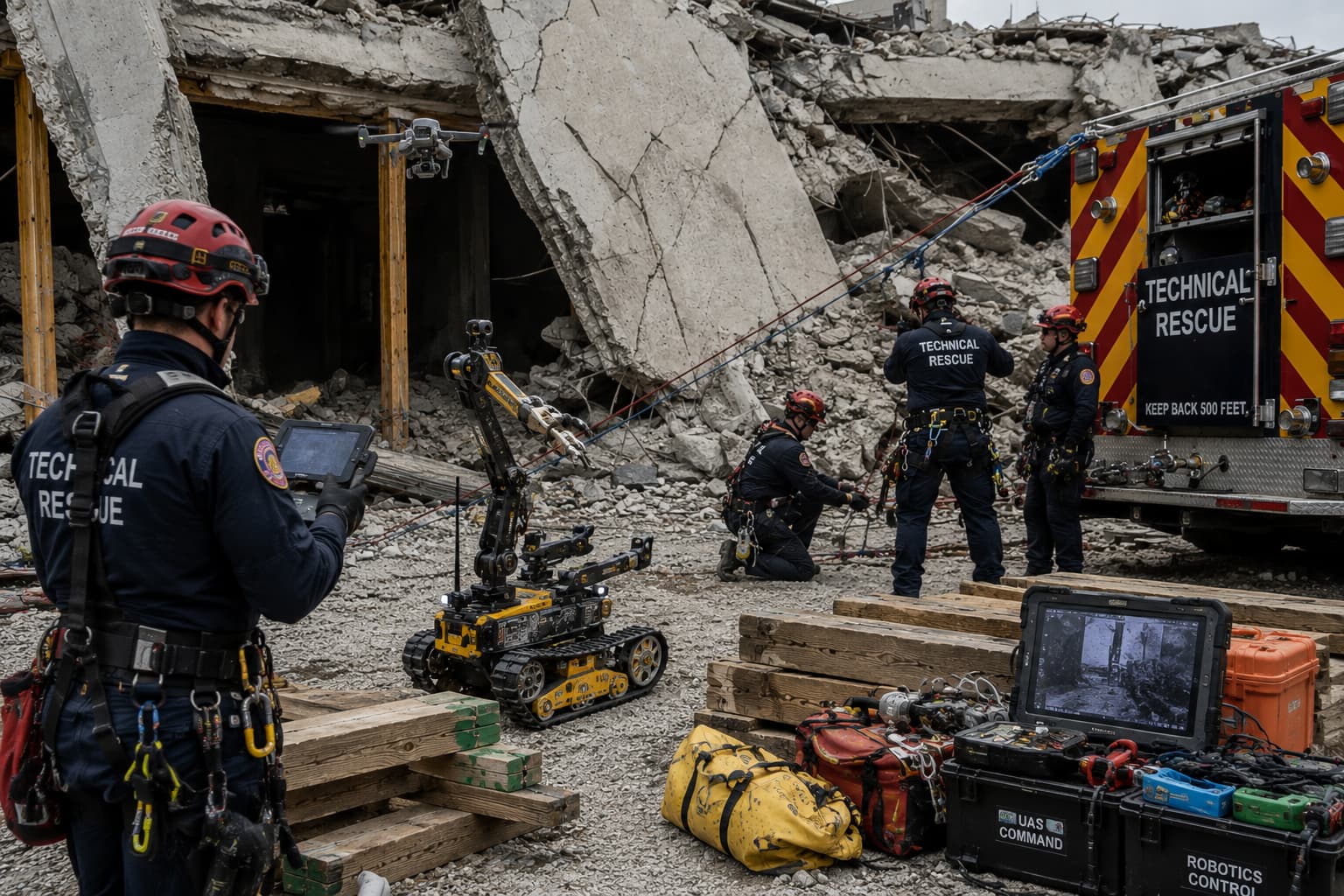
Remote-operated response robots are already used in some public-safety missions. The emerging question is how much navigation, mapping, object recognition and task execution can safely be automated in complex, changing emergency environments.

Why it matters

Greater autonomy could reduce operator workload and allow robots to work in environments that are difficult to navigate manually. Emergency scenes are also unpredictable, communications are unreliable and errors can have serious consequences. The useful questions are what the machine does when it loses its link, how it behaves when its map no longer matches the building, and who is accountable for what it does next.

NIST response robot programs, university research, early vendor work

Maturity: Emerging

Indoor firefighter positioning

Knowing that a firefighter is assigned to Division 2 is very different from knowing exactly where that firefighter is inside a building. GPS largely disappears once crews move indoors, and accurately determining X, Y and especially vertical location in a changing fire environment remains one of the most difficult problems in public-safety technology. Different approaches use inertial sensors, ultra-wideband, signal ranging, building infrastructure or combinations of technologies.

Why it matters

Reliable indoor positioning could fundamentally change accountability, Mayday response and firefighter rescue. But this is also an area where departments need to look carefully at vendor claims. Ask how the system performs in actual buildings, across multiple floors, after crews have been operating for twenty or thirty minutes, and when network connectivity becomes unreliable. Do not evaluate indoor positioning based only on the best accuracy number in a sales presentation.

NIST, several vendors, DHS S&T funded trials

Mutual Aid

Ask the fire service

Learn from departments that have already solved the problem you are facing — including what the demonstration did not show.

Explore Mutual Aid

What digital command or accountability system has actually survived a large working incident?

Not what demonstrated well. What did the IC actually use, and what did the aides use? How much information had to be entered by hand while the incident was running? What happened when connectivity degraded? Did mutual-aid companies fit into the system, or did they end up outside it? What manual backup did you keep? And knowing what you know now, would you deploy it again?

Example — the forum is not open yet

Has anyone integrated Hexagon CAD with AVL?

We are being quoted a six-figure professional services engagement for what sounds like it should be a supported interface. Looking for anyone who has done this and what it actually took.

Example — the forum is not open yet

What RFID system are departments using for apparatus inventory?

Losing equipment between stations and apparatus. Looking at RFID versus barcode. Interested in what has survived contact with actual crews rather than what demonstrated well.

Example — the forum is not open yet

Built for the fire service

Public Safety Technology Hub was created to help fire service leaders understand, evaluate and successfully implement technology.

Scott Roseberry

Founder & Editor

About the Hub

Building technology for the fire service?

Submit your technology for review and inclusion in the Solutions database. Listing is free, and payment never affects where you appear.

Add your company

Listings are free and independently reviewed for completeness, not endorsed. Any advisory relationships are disclosed on the About page.