

Watch & Read
The best fire service technology content, curated in one place
Articles, video, research and podcasts worth a chief's time — with a note on why each one matters. Everything here links out to the original publisher.
 Article
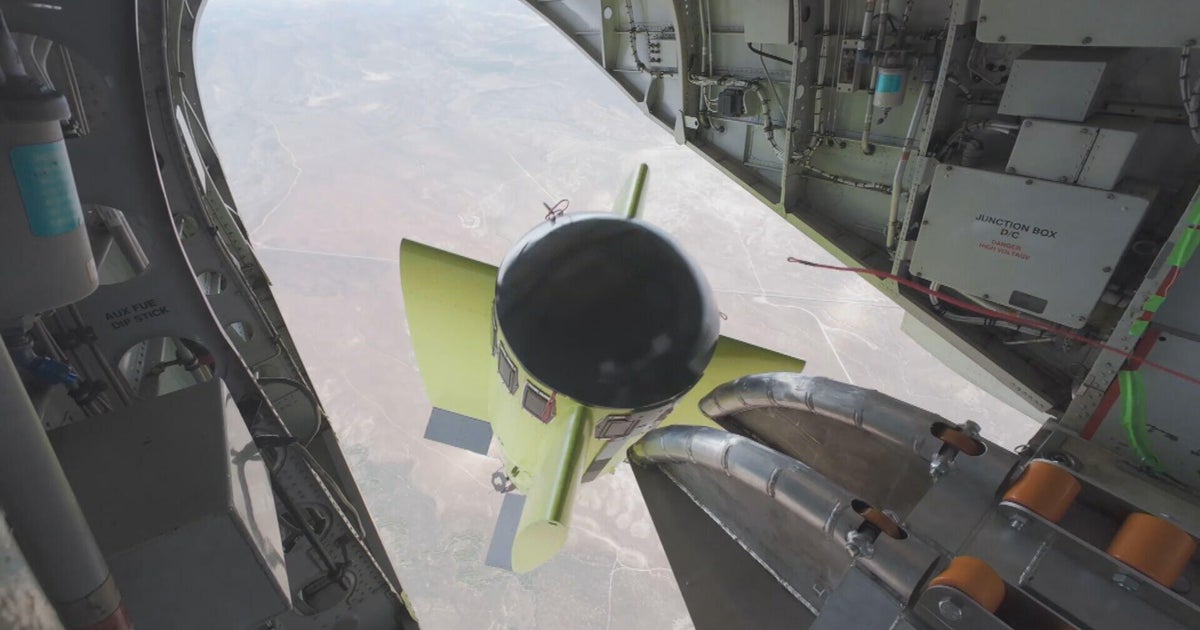
Colorado Tests Precision-Guided Wildfire Suppression Technology
Why it matters
Colorado’s Center of Excellence for Advanced Technology Aerial Firefighting is testing a Precision Guided Suppression Unit designed to deliver 110 gallons of water from aircraft operating as high as 12,000 feet. The system is intended to give crews another option for attacking emerging or difficult-to-access fires when conventional ground or aerial tactics are constrained. For fire service leaders, the bigger takeaway is how precision delivery, unmanned systems, and advanced aerial operations may begin changing wildfire doctrine, resource ordering, and mutual-aid capabilities.
U.S. Forest Service Moves Toward Standardizing Drone-Based Aerial Ignition
Why it matters
The U.S. Forest Service awarded an IDIQ contract for Drone Amplified’s IGNIS aerial ignition system, with a potential value of up to $25 million. The agency already operates hundreds of IGNIS systems for wildfire suppression and prescribed fire, and the contract signals an effort to standardize equipment, training, maintenance, and operational support. This is a useful example of technology moving beyond pilot status into enterprise-scale deployment, which is where governance, interoperability, training, sustainment, and lifecycle cost become as important as the technology itself.
 Article
Unauthorized Drone Incursions Are Increasing at Wildfires
Why it matters
Reported unauthorized drone incursions near wildfires reached 74 by September 1, up from 53 in 2025 and 32 in 2024. These incursions can force firefighting aircraft to divert or suspend operations, creating a direct conflict between increasingly accessible consumer drone technology and emergency aviation operations. Departments building UAS programs should treat airspace coordination, public messaging, TFR awareness, counter-UAS policy, and integration with aviation resources as core components of the program rather than secondary issues.
 Article
Lithium-Ion Battery Fires: What Firefighters Need to Know
Why it matters
Fire Engineering reviewed the operational hazards associated with lithium-ion battery failures, including thermal runaway, flammable gas production, explosions, and high-energy flame jets. As battery-powered devices become more common in homes, vehicles, micromobility devices, and commercial occupancies, departments increasingly need consistent response procedures that account for chemistry, construction, cooling, monitoring, and re-ignition risk. The leadership issue is not simply buying new equipment, but ensuring training, SOPs, preplans, dispatch information, PPE practices, and post-incident monitoring evolve with the hazard.
 Article
Bringing 3D Printing Into the Fire Station
Why it matters
Travis Air Force Base Fire Department has incorporated 3D printing into department operations to produce signs, labels, storage components, training aids, and customized tools more quickly and at lower cost. What began as an individual firefighter’s skill grew into an organizational capability after department leadership supported experimentation and provided resources. This is a strong example of bottom-up innovation: departments can create significant operational value when they identify internal talent, establish reasonable controls, and give members room to solve small problems without waiting on traditional procurement cycles.
 Article
Detroit Fire Department uses new tech that turns traffic lights green as EMS vehicles approach
Why it matters
Why it matters: Detroit Fire is using emergency vehicle preemption technology to change traffic signals as EMS vehicles approach intersections. For fire and EMS leaders, this is a practical example of connected infrastructure being used to reduce response friction and improve roadway safety.
 Article
Mapping the Response: How Fairfax County Fire and Rescue Used GIS to Guide a Gas Explosion Response
Why it matters
Why it matters: Fairfax County Fire and Rescue used real-time GIS and 3D visualization during a complex gas explosion incident to track methane migration and coordinate decisions. The case shows how geospatial tools can move beyond planning and become part of live incident command and hazmat operations.
 Article
Tulsa Fire Department partners with drone delivery company to expand emergency response
Why it matters
Why it matters: Tulsa Fire is working with Manna Air Delivery to explore delivery of trauma supplies and, potentially, defibrillators by autonomous drone. This expands the DFR conversation from remote observation to physically moving life-saving equipment to an incident.
 Article
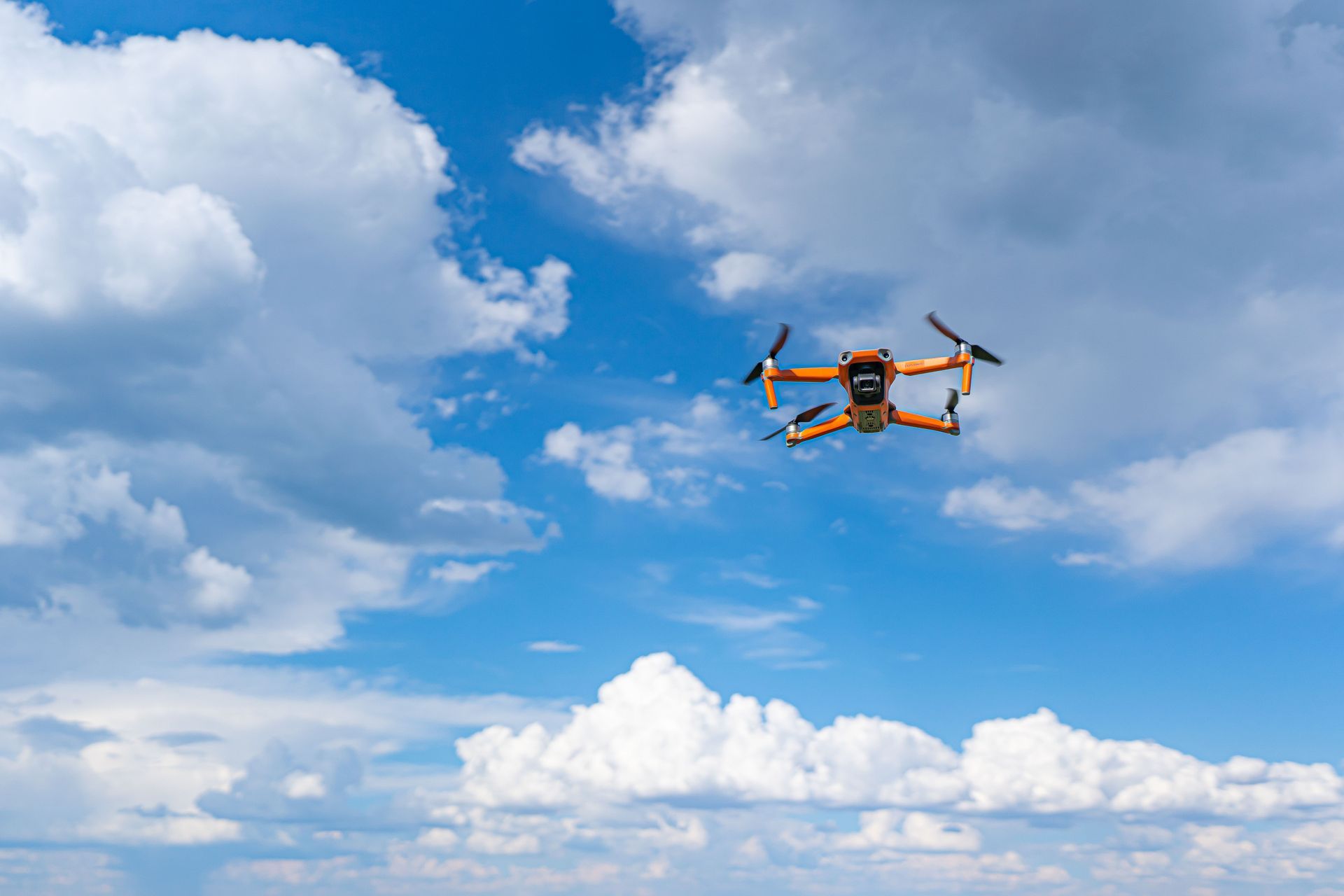
New Drone Program Targets Water Rescues and Medical Emergencies in Orange Beach
Why it matters
Why it matters: Orange Beach is developing a Drone as First Responder program capable of carrying mission-specific payloads such as flotation devices and AEDs. The model is notable because it is designed to support both police and fire operations and ties autonomous deployment directly to rescue and EMS functions.
 Article
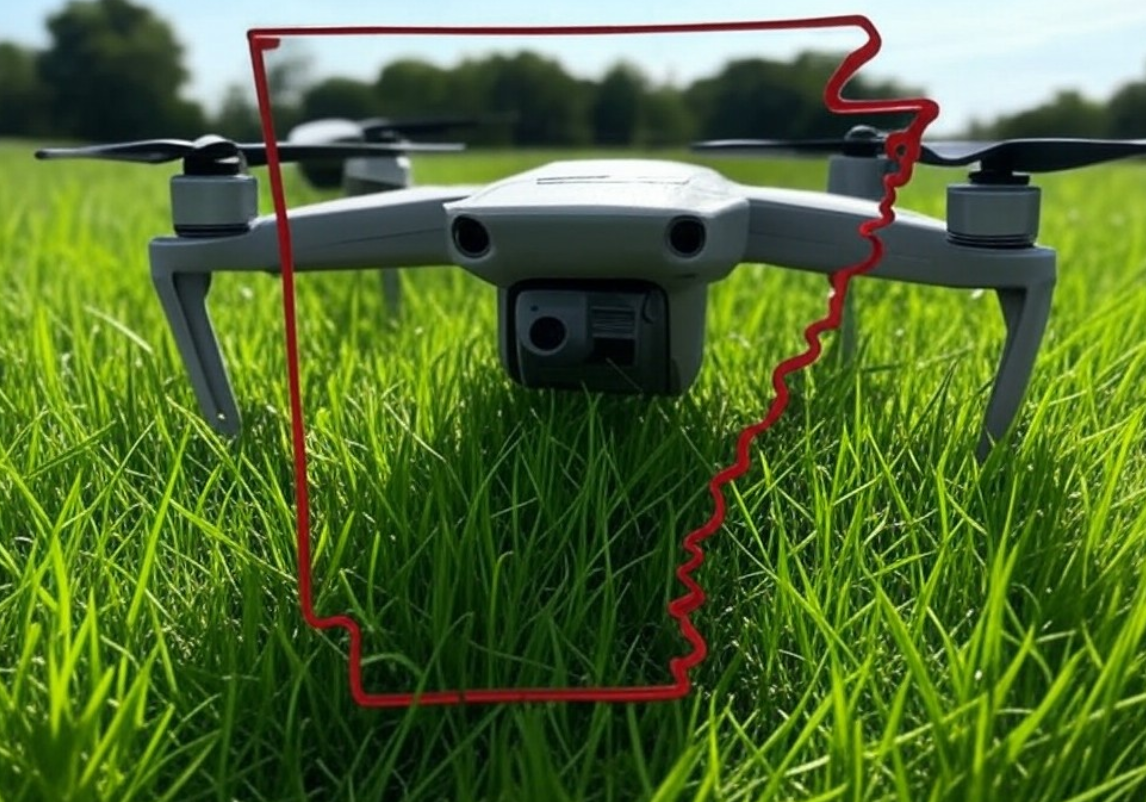
Ward Fire Department Deploys New Drone
Why it matters
Why it matters: Ward Fire Department added a UAV with high-resolution imaging for structure and wildland fire assessment, search and rescue, disaster response, and hazmat reconnaissance. It is a good example of a smaller department using one platform across several mission sets rather than treating UAS as a single-purpose specialty tool.
FireSwarm partnership expands automated drone-swarm development for wildfire response
Why it matters
Why it matters: The City of Kelowna, Okanagan College, and FireSwarm Solutions announced a partnership to expand AI-enabled drone and aerospace development after prior wildfire suppression testing with Kelowna Fire Department. The project is worth watching because it moves autonomous and coordinated multi-drone wildfire operations closer to a sustained research, training, and deployment ecosystem.
 Article
AI-assisted camera detected the Lucas Fire
Why it matters
Why it matters: The Lucas Fire was first detected by an ALERTCalifornia AI-assisted camera before a communications operator confirmed the incident. This is a real operational example of machine-assisted wildfire detection feeding human verification and response, rather than AI replacing the decision-maker.
 Article
Amarillo Fire Department and West Texas A&M research lithium-ion battery fire equipment decontamination
Why it matters
Why it matters: Amarillo Fire and West Texas A&M are studying whether conventional cleaning methods adequately remove chemical contamination from equipment exposed to lithium-ion battery fires. The work could help departments develop evidence-based PPE and equipment decontamination procedures for a hazard that is becoming increasingly common.
 Article
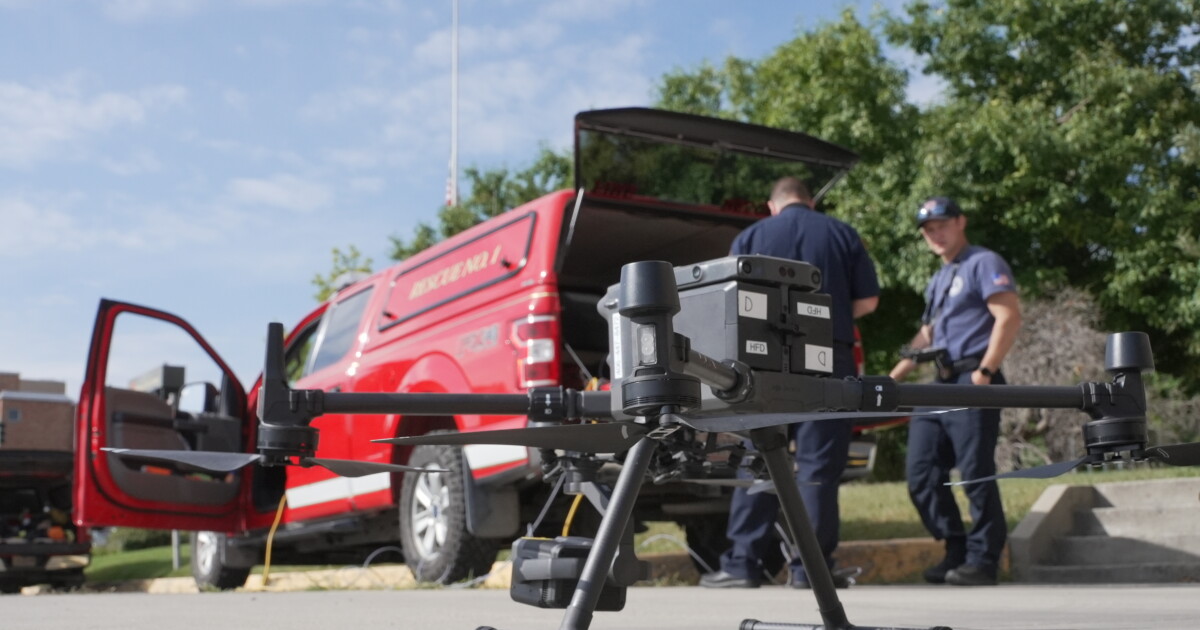
Eye in the Sky: Helena firefighters train with drones to improve fire and rescue operations
Why it matters
Why it matters: Helena Fire is using a thermal-capable UAS across structure fire, wildland, hazmat, and search-and-rescue missions, with six FAA-certified pilots distributed across shifts. The operational takeaway is not simply owning a drone, but maintaining enough trained pilots and recurring proficiency work so the capability is available when an incident commander needs real-time overhead intelligence.
Bridger Aerospace and OroraTech integrate satellite wildfire intelligence into IGNIS
Why it matters
Why it matters: The integration brings satellite-based detection, thermal mapping, fire intensity, and predicted spread into a mobile wildfire operating picture that can also incorporate aerial and ground information. A pilot during Oregon’s Grasshopper Fire reportedly used satellite-derived perimeter data to support fire-spread modeling, illustrating the move toward a common operating picture built from multiple sensor layers.
 Article
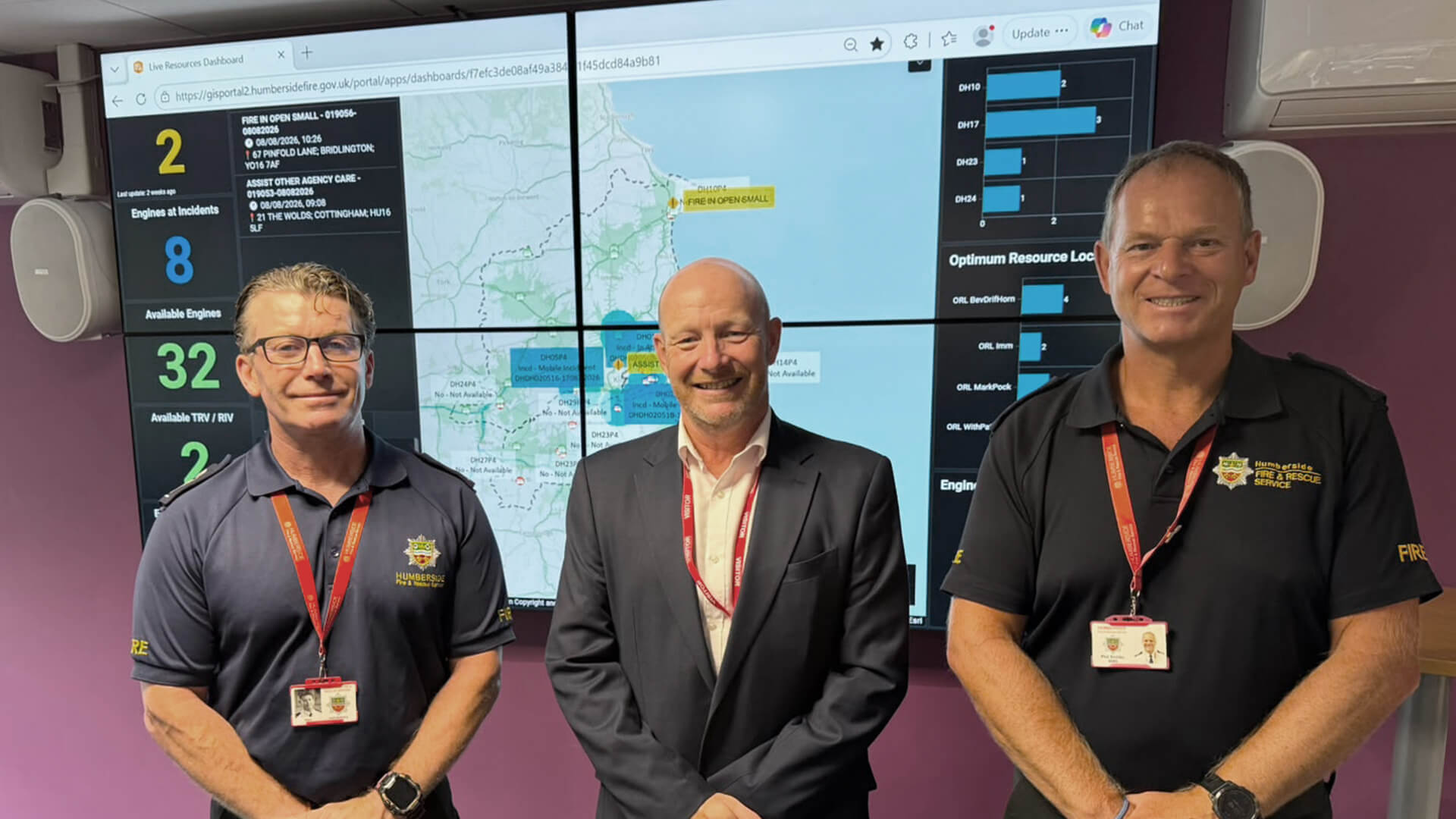
Humberside Fire and Rescue Service goes live with hosted command, control and communications system
Why it matters
Why it matters: Humberside Fire and Rescue Service has begun operational use of a hosted control-room platform designed to support dispatch decisions using appliance proximity and capability, while improving resiliency across control-room locations. The rollout also points toward broader integration through live video streaming and a planned mobile application for officers.
 Article
OneDose launches AI-assisted credential tracking for EMS agencies
Why it matters
Why it matters: The new tool allows providers or administrators to photograph or upload certifications and uses document extraction to identify credential type, dates, and provider information for review. It is a practical example of AI being used for low-risk administrative work that can reduce manual entry while keeping a human verification step before records are accepted.
 Article
Snohomish County deputies use a drone during rescue from a burning home
Why it matters
Why it matters: Deputies used a drone to locate a person and assess conditions at a burning residence where gunfire had also been reported, giving responders information before and during a high-risk rescue. For fire leaders, the case reinforces the value of interoperable UAS programs that can support fireground intelligence even when the aircraft is operated by a partner agency.
 Article
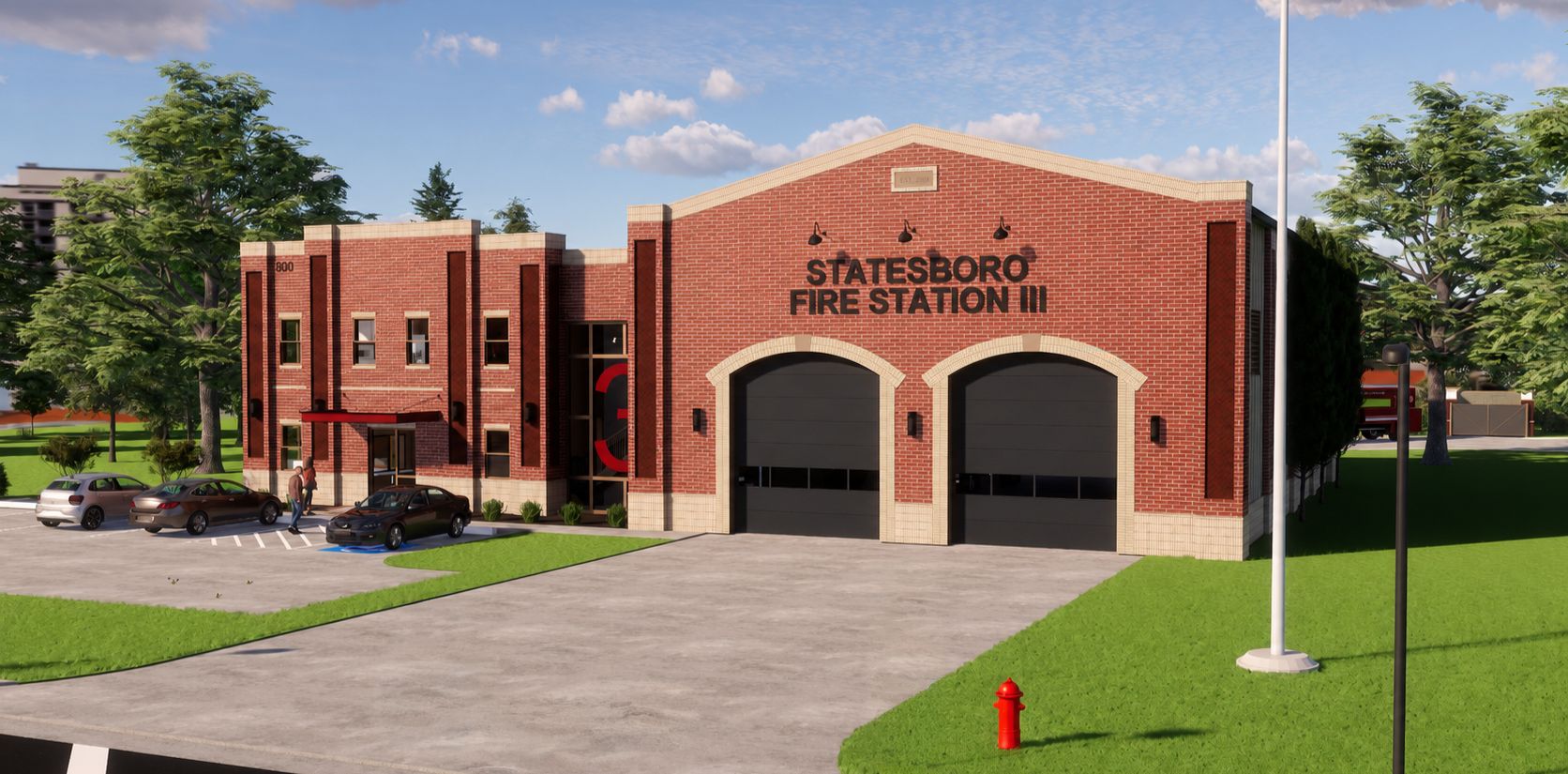
Statesboro prepares new quint with remote-controlled nozzles, integrated communications and high-output scene lighting
Why it matters
Why it matters: Statesboro’s new 75-foot quint combines conventional aerial and pumping capability with remote-controlled nozzles, integrated communications, and more than 140,000 lumens of scene lighting. It is a useful reminder that fire-service technology adoption is not limited to software and AI; apparatus specifications increasingly embed connected controls, communications, lighting, and operator-assistance technology into frontline equipment.
 Article
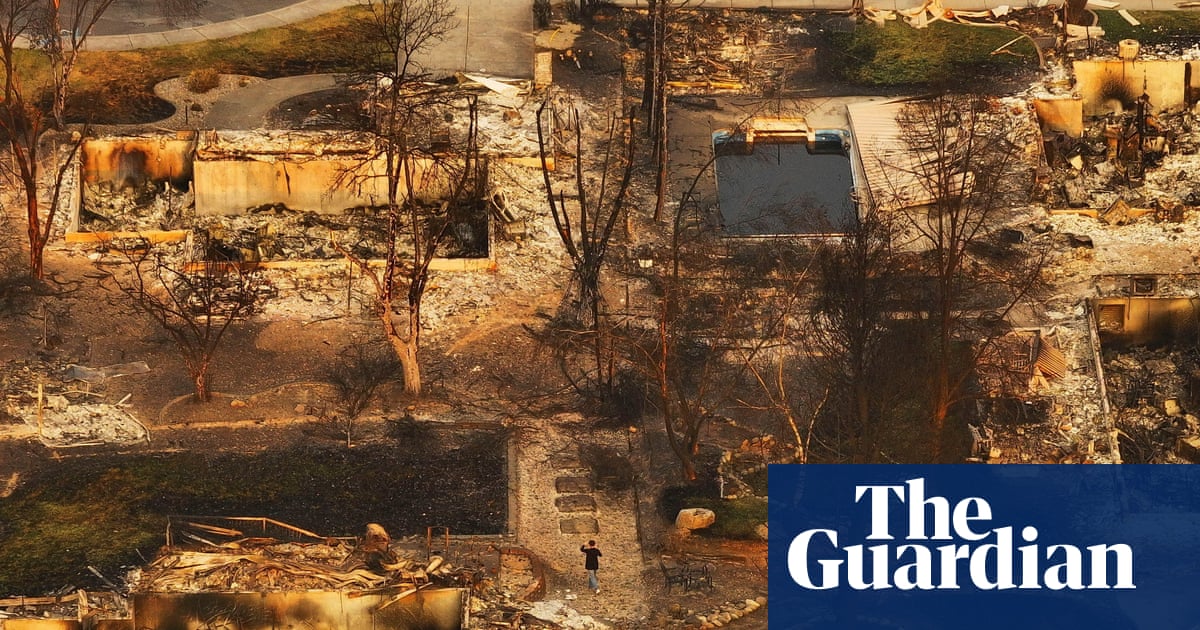
AI eyes in the sky: new satellites and artificial intelligence are transforming wildfire detection
Why it matters
The Guardian examines how FireSat satellites, ground-based cameras and AI are being combined to detect wildfires earlier and give responders faster situational awareness. The piece highlights the operational value of shortening the detection-to-dispatch interval, particularly when small fires can still be contained before rapid growth. For fire-service leaders, this is another sign that wildfire intelligence is evolving from isolated camera networks toward layered satellite, sensor and AI ecosystems.
 Article
The Fire Service Scoop: First eVTOL Aircraft Deployed, CSPE’s New Strategic Scan for Drone as First Responder Programs
Why it matters
Firehouse’s weekly technology roundup highlights several noteworthy developments, including wildfire and smoke-tracking enhancements from BRINC, a new strategic scan on Drone as First Responder programs and an AIDE report on AI in emergency management. Taken together, the items show how aviation, unmanned systems and AI are moving from experimental concepts into operational public-safety workflows. Chiefs evaluating these technologies should pay particular attention to governance, integration and measurable operational outcomes rather than treating each platform as a stand-alone tool.
 Article
EMS staffing shortages demand technology that frees crews for 911 calls
Why it matters
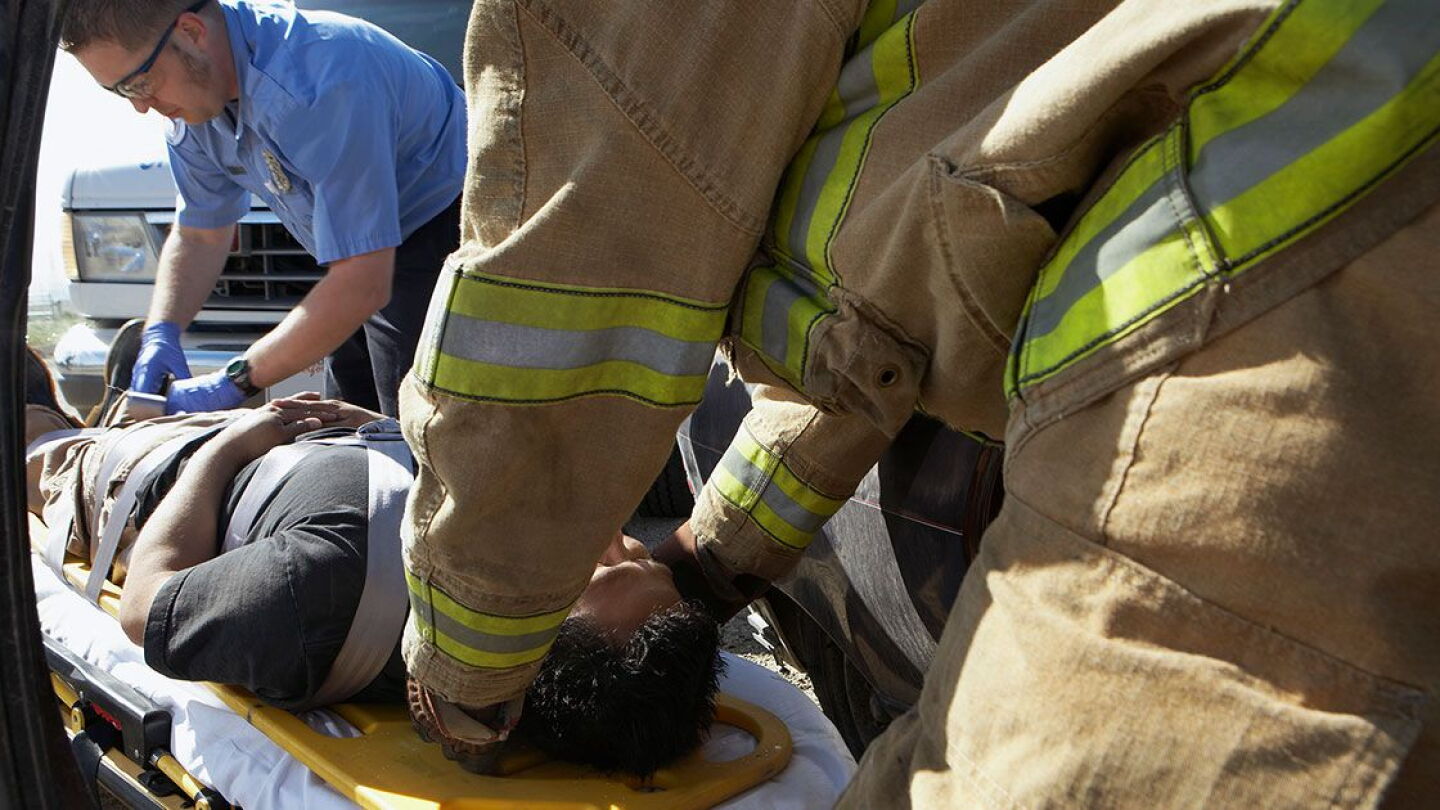
EMS1 argues that the most valuable technology investments may be those that reduce routine workload and return provider capacity to emergency response. Examples include power-load systems, documentation tools, communications platforms and AI-enabled software that can reduce administrative or physical burden on crews. The leadership takeaway is important: technology ROI in EMS should increasingly be measured in recovered personnel time, unit availability and reduced provider workload, not simply new capability.
 Article
Underwater drone helps Northern Wake Fire Department locate victims, reduce risks to divers
Why it matters
Northern Wake Fire Department has added an underwater drone equipped with sonar and video capabilities for water rescue, recovery, inspection and underwater search operations. The system can map search areas and provide crews with visual intelligence before divers are committed to potentially hazardous conditions. This is a strong example of robotics being used not to replace responders, but to improve reconnaissance, narrow search areas and reduce unnecessary exposure.
 Article
Western Cape strengthens Bergrivier’s Hazmat response capacity
Why it matters
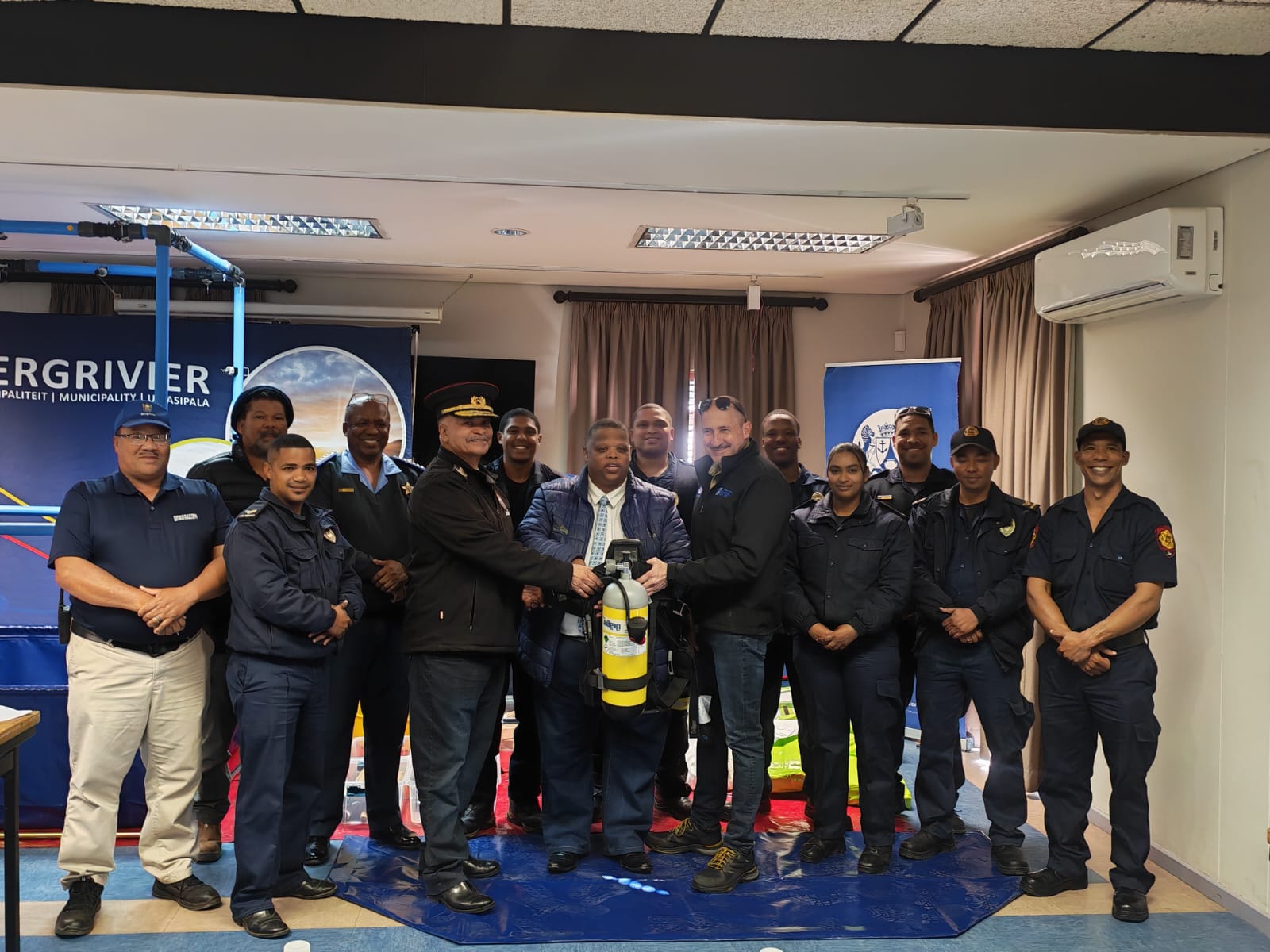
The Western Cape Government announced the delivery of specialized firefighting and hazardous-materials equipment to strengthen Bergrivier Municipality’s response capability. The investment is part of a broader capacity-building grant that combines equipment, training and operational support rather than simply purchasing hardware. That model is worth noting because successful hazmat technology adoption depends heavily on training, sustainment, interoperability and the ability to integrate new equipment into established response doctrine.
OSU Fire Service Training to bring advanced swiftwater rescue training to Oklahoma City
Why it matters
Oklahoma State University Fire Service Training announced an advanced swiftwater rescue program bringing responders from across the country to Oklahoma City for realistic training at RIVERSPORT’s whitewater facility. The program emphasizes complex rescue environments and hands-on technical proficiency in moving water. For departments expanding water-rescue capability, purpose-built training environments like this provide a way to develop decision-making and technical skills under realistic conditions without relying solely on live incidents for experience.
Sindh Rescue 1122: Chinese firm offers automated fire-fighting technology
Why it matters
A Chinese technology company has proposed automated firefighting and emergency-rescue systems to Sindh Rescue 1122, including automated fire tenders intended to support suppression and evacuation with reduced human exposure. Although the proposal is still an offer rather than a mature operational deployment, it illustrates the accelerating convergence of robotics, automation and traditional fire apparatus. Fire-service leaders should expect increasing pressure to evaluate where autonomous functions can safely augment crews, especially in high-risk industrial, hazmat and inaccessible environments.
NFPA moves new editions of NFPA 1140 and NFPA 1225 toward issuance
Why it matters
NFPA Standards Council materials call for issuance of updated NFPA 1140, Standard for Wildland Fire Protection, and NFPA 1225, Standard for Emergency Services Communications, with an effective date of September 9, 2026. These standards directly touch two rapidly evolving technology areas: wildland fire operations and the communications infrastructure supporting emergency response. Chiefs, communications managers and technology leaders should review the new editions because changes in standards can influence procurement specifications, system design, interoperability expectations and future policy.
 Article
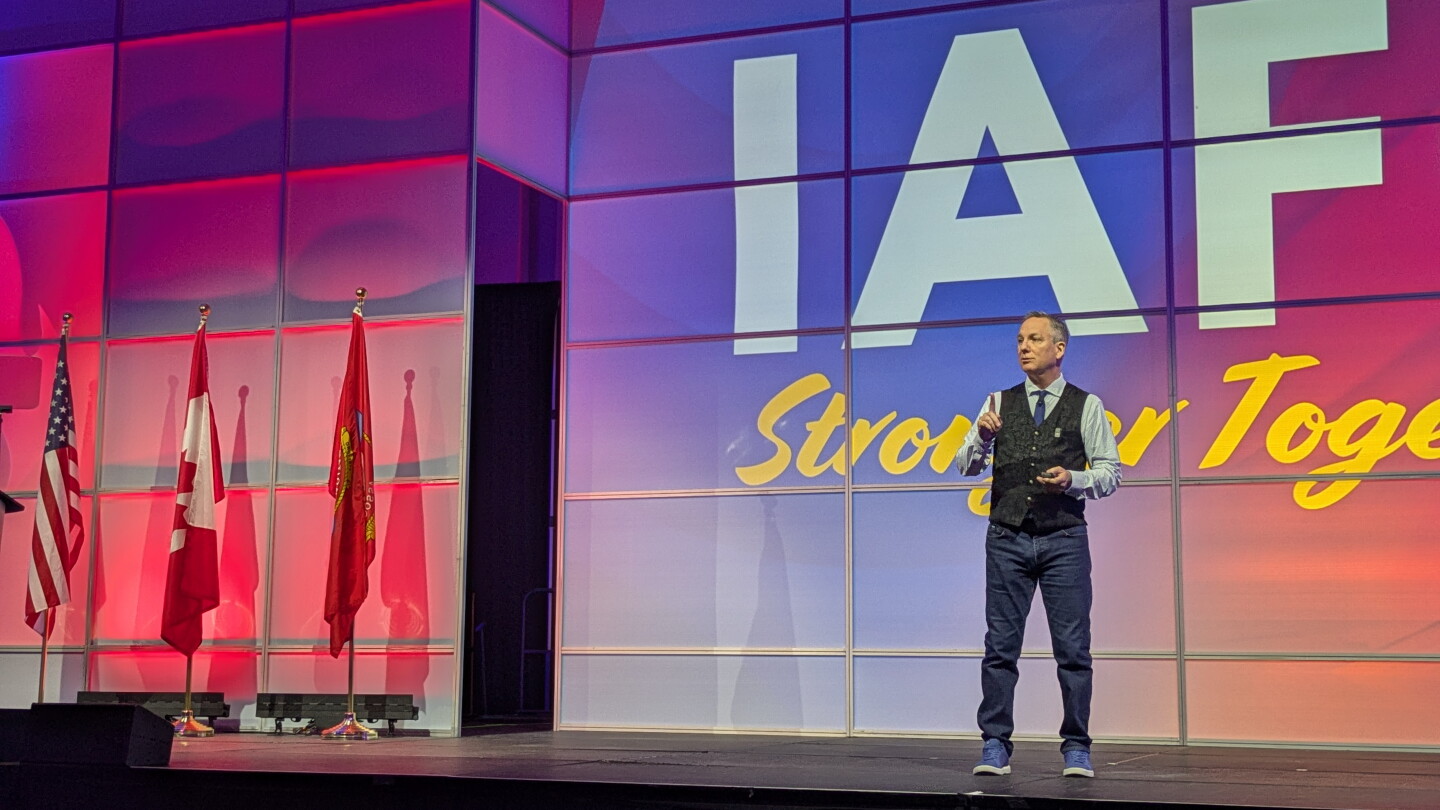
AI is an assistant, not an automator
 Article
Massachusetts 911 center to use AI for nonemergency calls
 Article
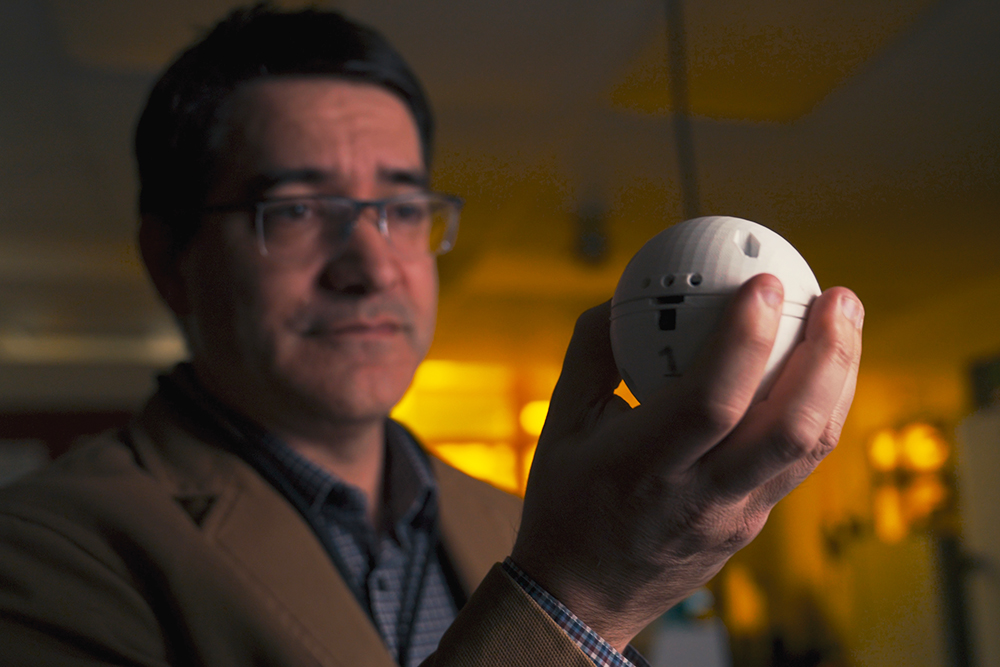
A baseball-sized sensor can detect chemical threats
 Article
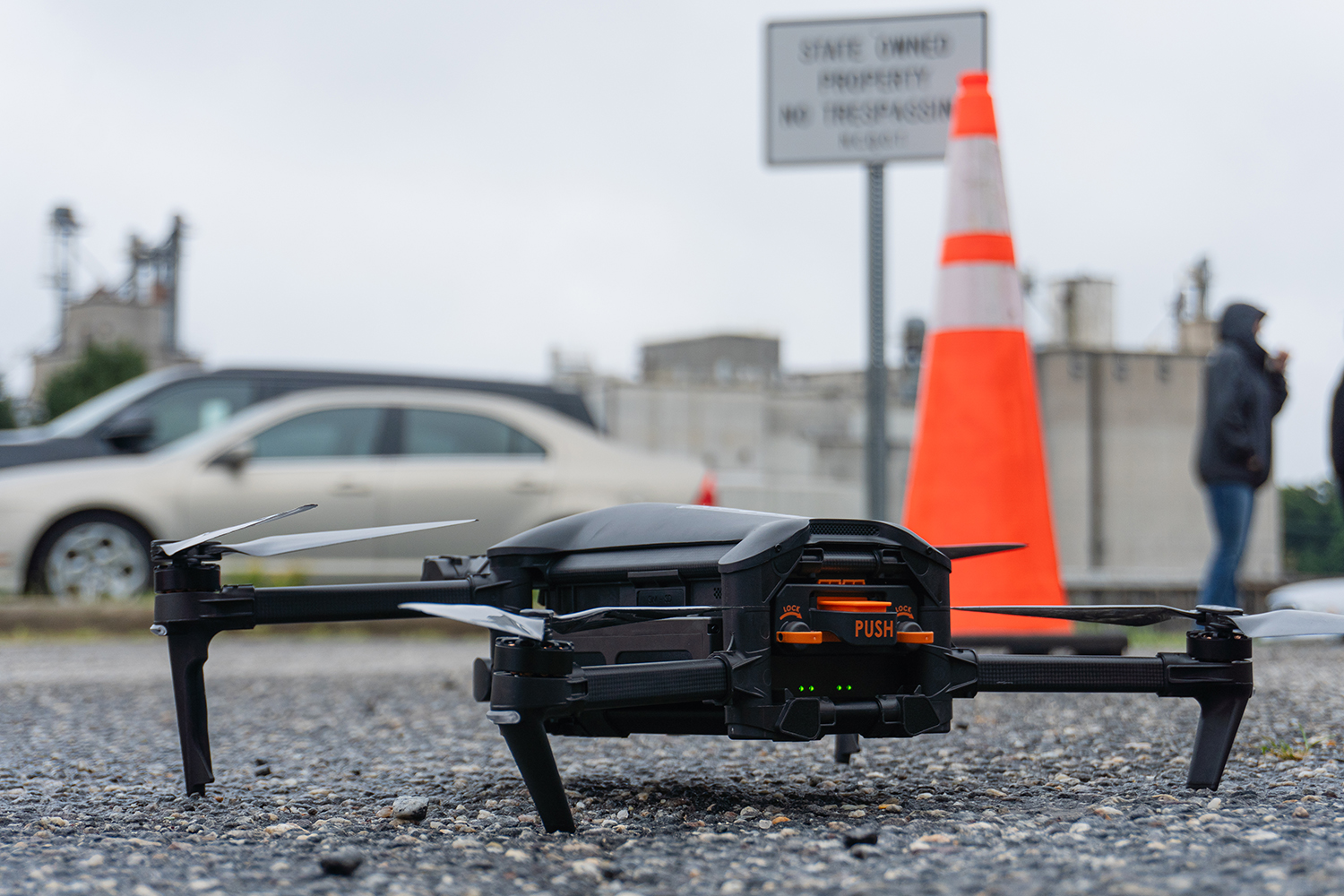
New IAFF drone program aims to reduce fire fighter exposure at HazMat scenes
Seen something worth including?
This is curated by hand, which means it misses things. If you have read or watched something that changed how you think about a technology decision, send it over.
Suggest content