Solutions
Start with the problem, not the product category
Technology is sold by category. Departments buy their way out of a specific operational problem. This is organized the way the problem actually arrives.
Browse by technology area
Each area collects the problems it addresses, the technology approaches available, and what to ask before buying.
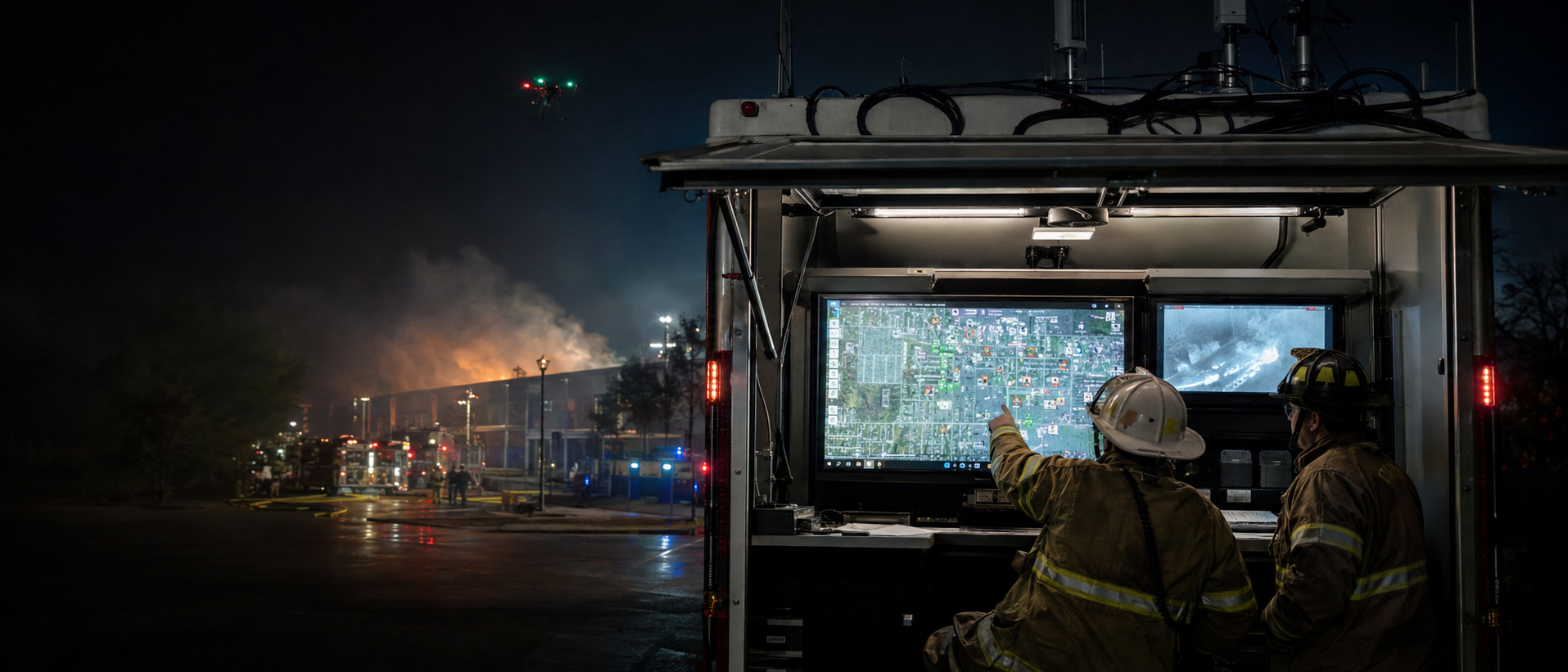
Connected fireground
Knowing where crews are and what conditions are doing, while it still matters.
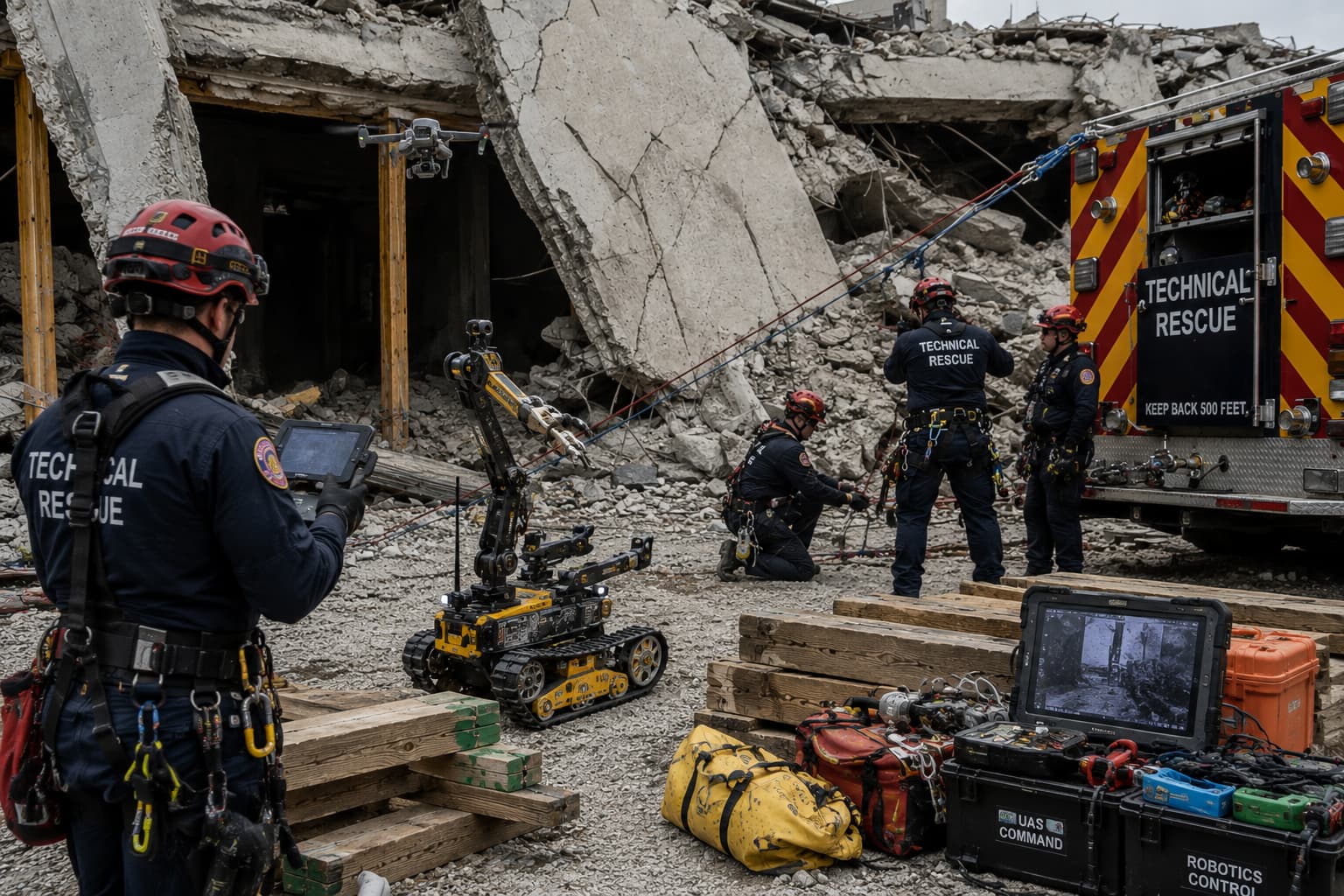
UAS and robotics
Aerial and ground platforms for size-up, search and untenable spaces.
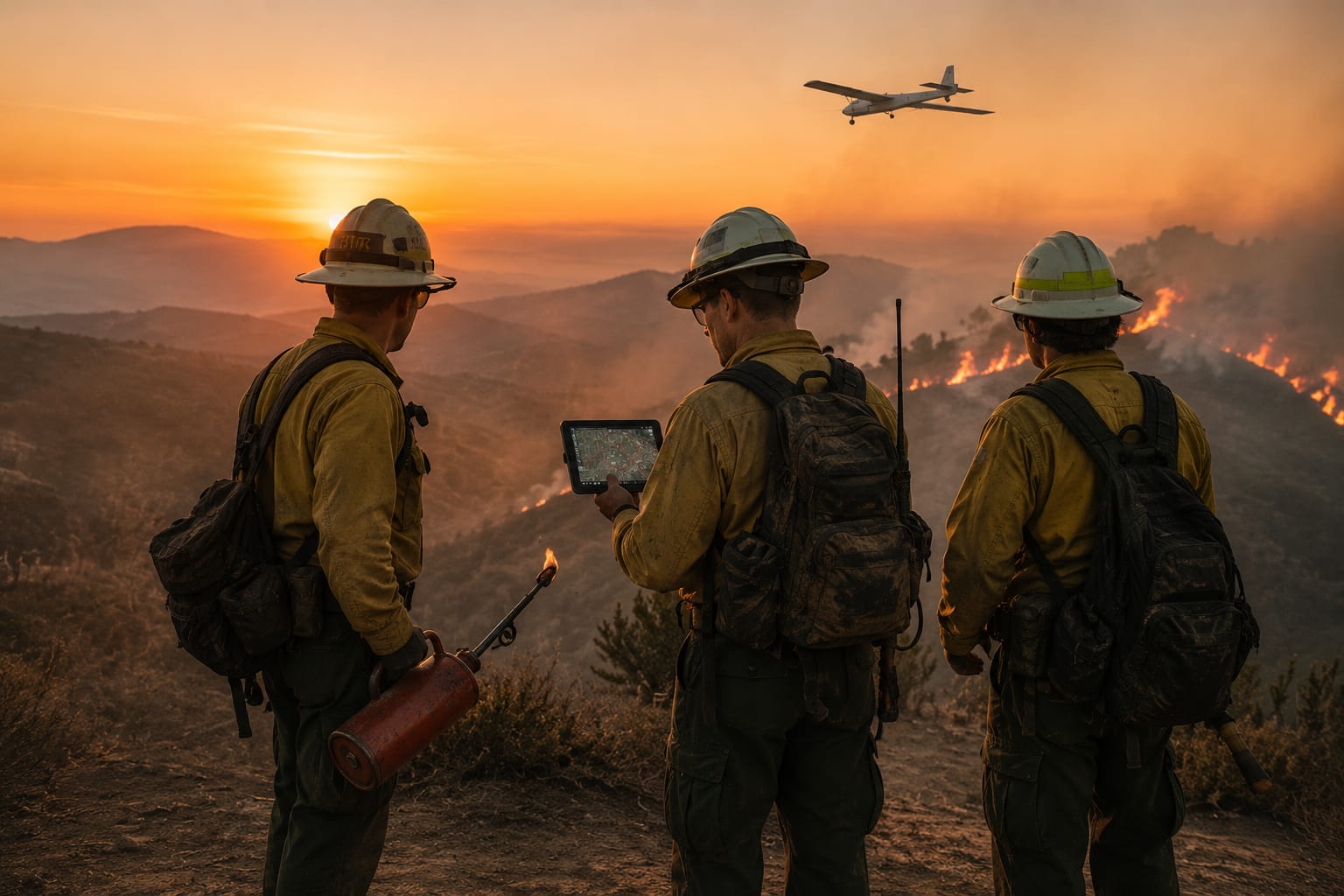
Wildfire technology
Detection, mapping, and keeping track of crews across large incidents.
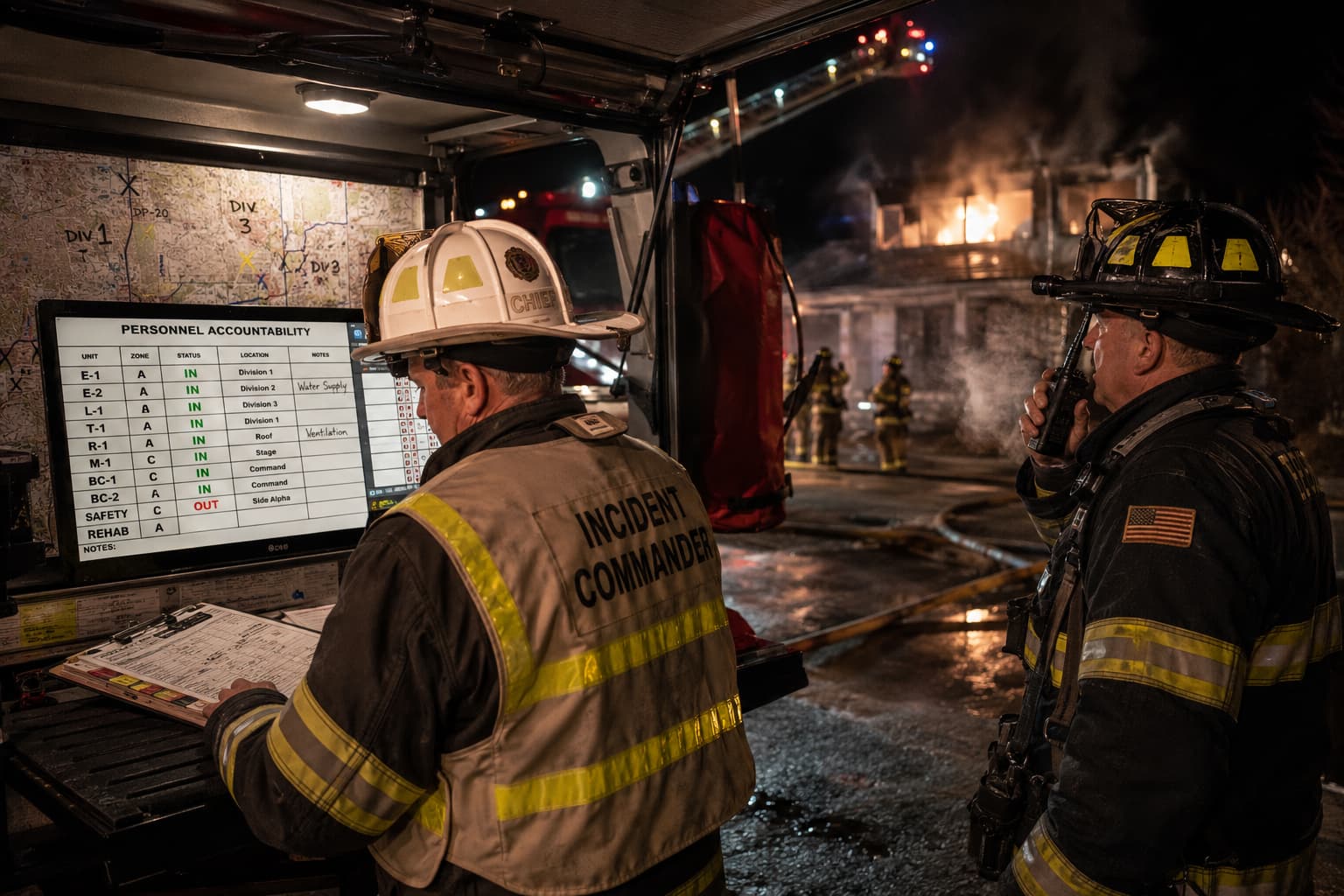
Incident command
Accountability boards, tactical worksheets and decision support that survive contact.
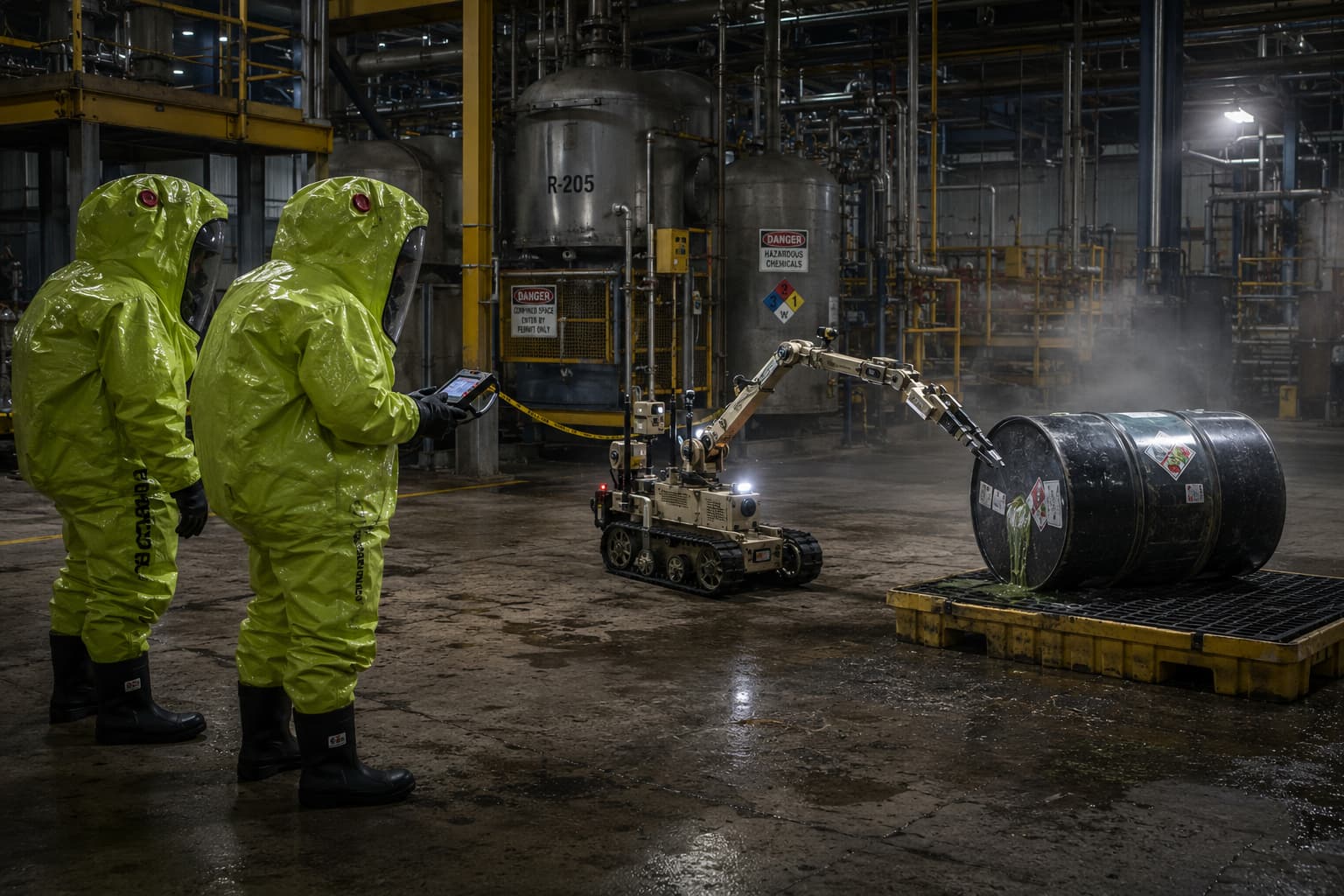
Hazmat response
Remote reconnaissance, detection, and modeling before anyone goes in.
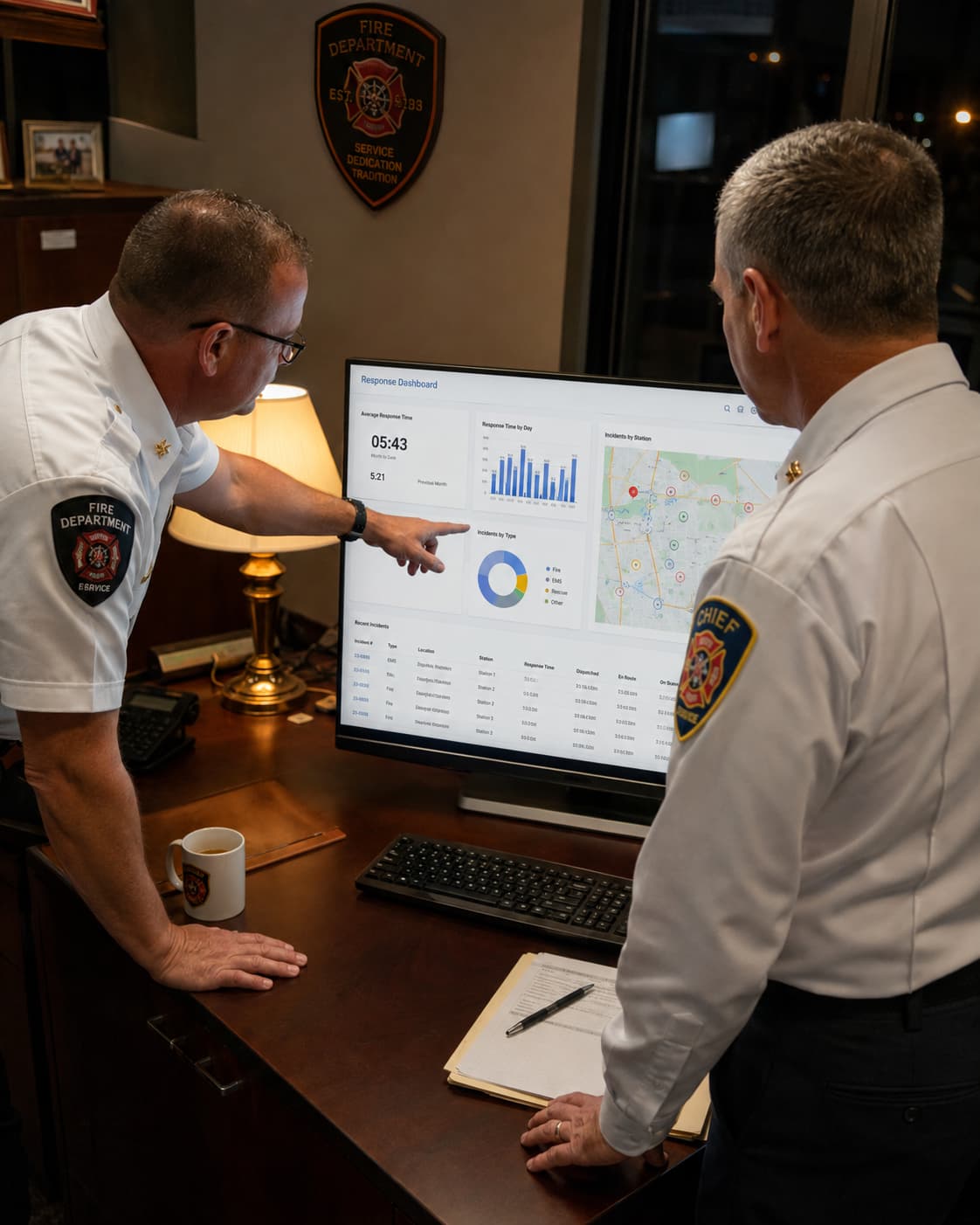
Data, AI, and Administration
Records, reporting and analytics, the administrative systems that actually run a department, and the honest limits of AI in an operational setting.
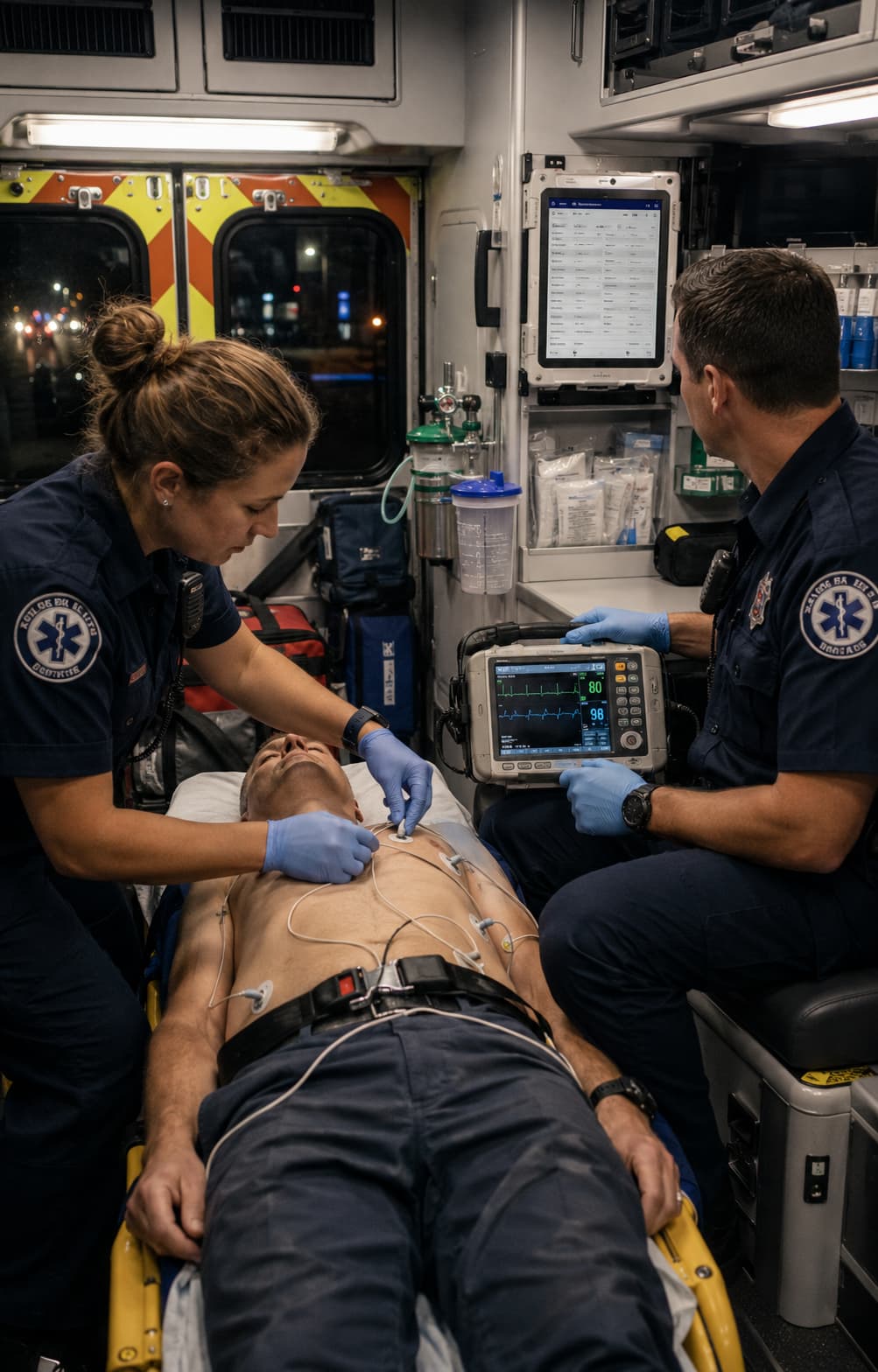
EMS technology
Patient care records, telemetry, and the handoff to the receiving hospital.
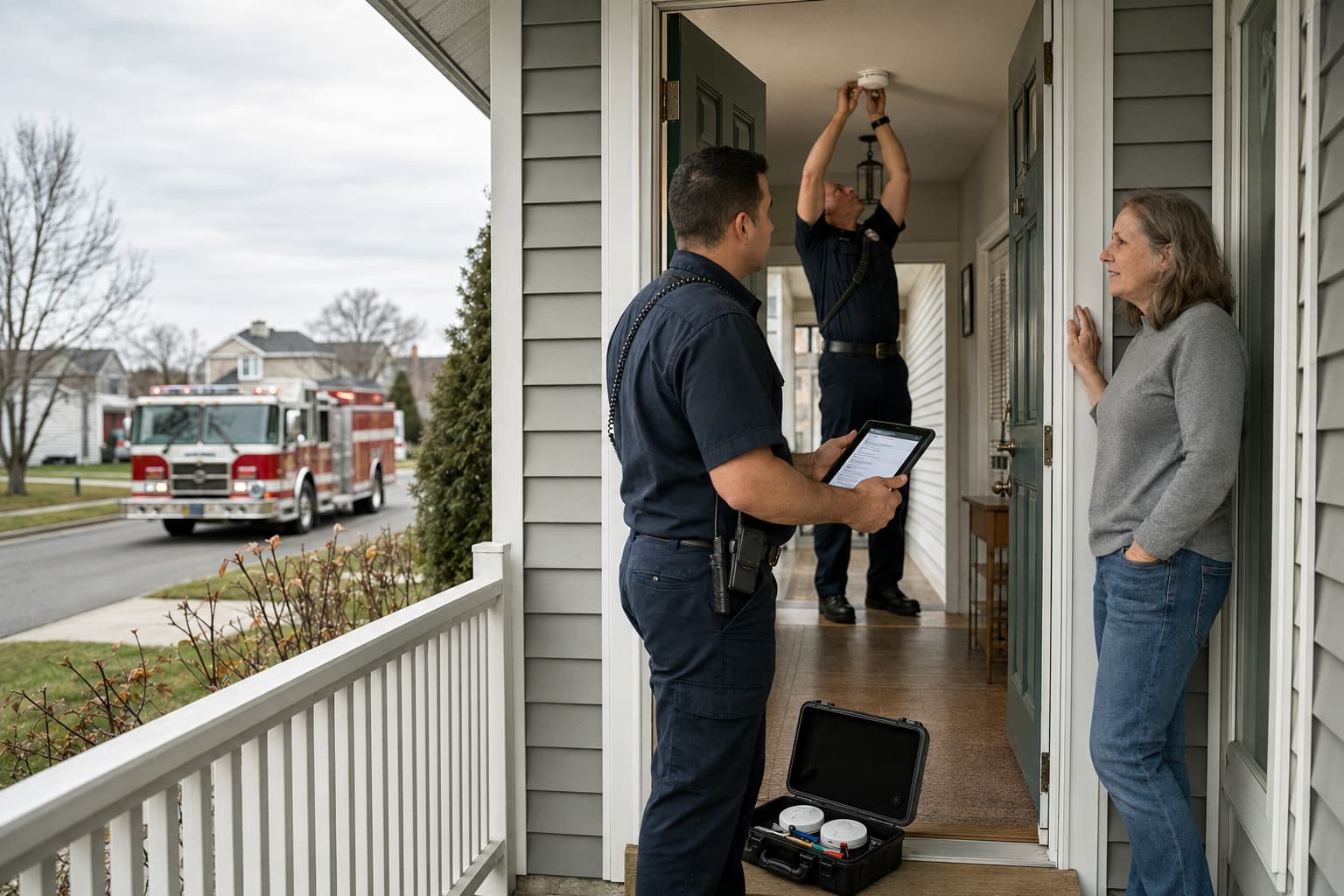
Community Risk Reduction
Finding who is most at risk before the call comes, doing something about it, and being able to show whether it worked.
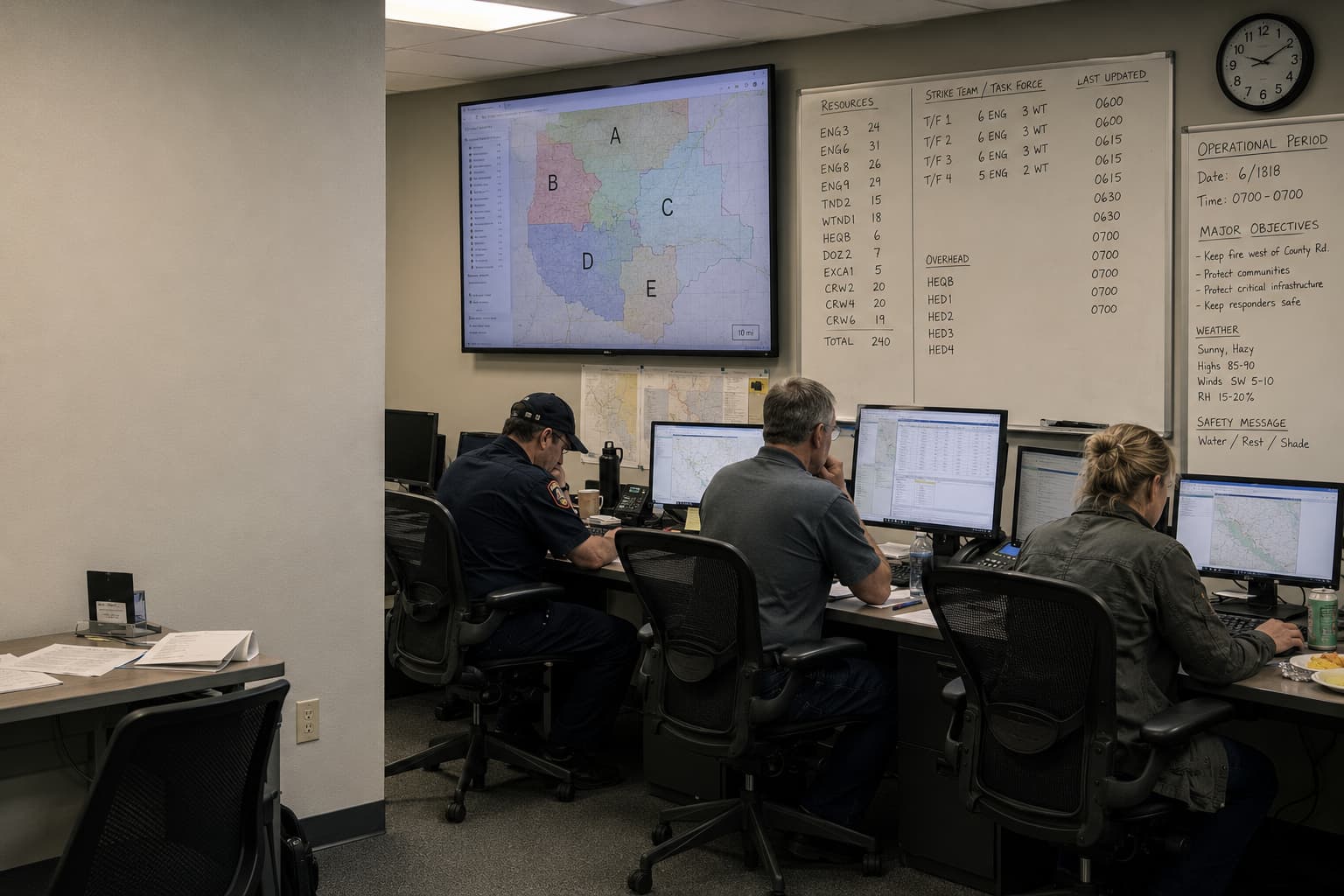
Emergency Management
Planning for, running and recovering from the incident that outlasts a single shift.
Every problem in the catalogue
This list grows as departments tell us what they are working on.
- We do not have the view we need early enough
- The patient arrives before the record
- Accountability becomes harder as the incident grows
- We are running an emergency operations center on phone calls, whiteboards and spreadsheets
- We find out about some fires too late
- We commit people to characterize the hazard
- Accountability is still largely manual
- Documentation takes too long and data quality suffers
- We do not know which parts of our community are most at risk
- We have data, but still need to understand what it means
- We document information that another device already collected
- We are sending people into places we could examine remotely first
- Critical information is scattered across different systems
- We cannot show whether our prevention work is doing anything
- We collect data nobody uses
- Our map can be behind the fire
- We cannot track resource requests and mutual aid at scale
- Critical building information exists but is difficult to use when it matters
- We rarely learn what happened after hospital handoff
- We lose track of people and resources across a large incident
- More information can create more cognitive workload
- We bought a drone. We did not build a UAS program.
- The command picture is scattered across radios, screens and people
- The hazard changes while we are operating
- Our data is trapped in separate systems
- Inspections are behind, and we cannot tell which ones matter most
- We cannot reach the public with something they will act on
- The IC cannot monitor everything
- Damage assessment and reimbursement records get assembled after the fact
- We do not know what equipment we have, where it is, or when it expires
- Our data sits in separate systems that cannot be looked at together
- WUI risk exists before the fire starts
- We find residents who need help but have no reliable way to refer them and follow up
- Scheduling and overtime consume administrative time
- Our plans exist, but nobody can find the right one during an incident
- We cannot defend a budget request with our own numbers
- We cannot say which community lifelines are unstable
- We cannot show what the department will need in three years
- We cannot run the emergency operations center if the building is unavailable
- We run exercises, but the corrective actions disappear into a report
Already know what you are looking for?
Browse the companies by technology category instead.
Building technology for the fire service?
Submissions are reviewed and listed free. Listing is never ranked by payment.